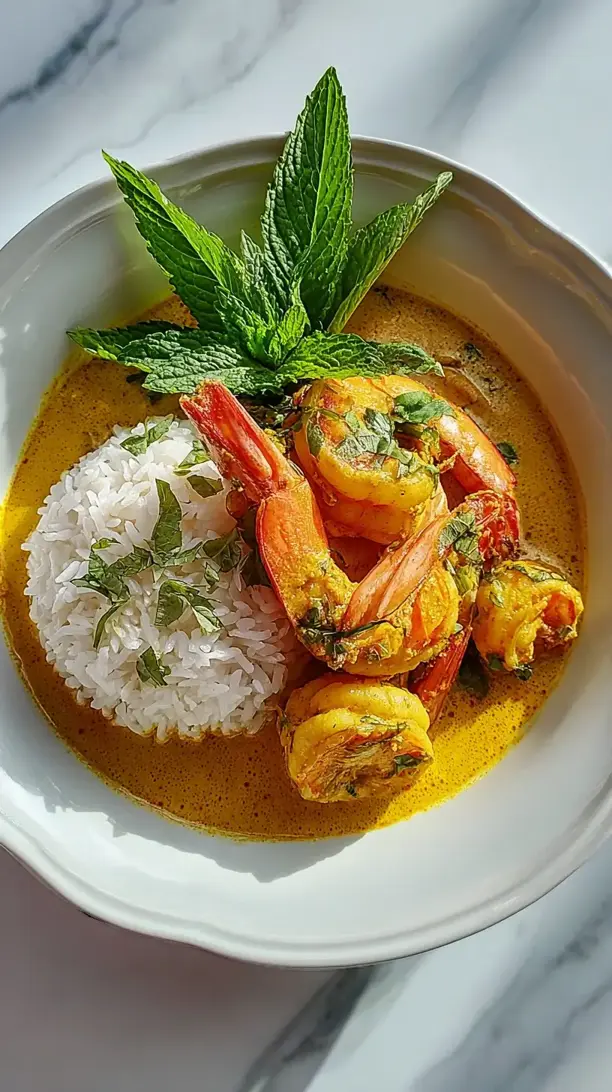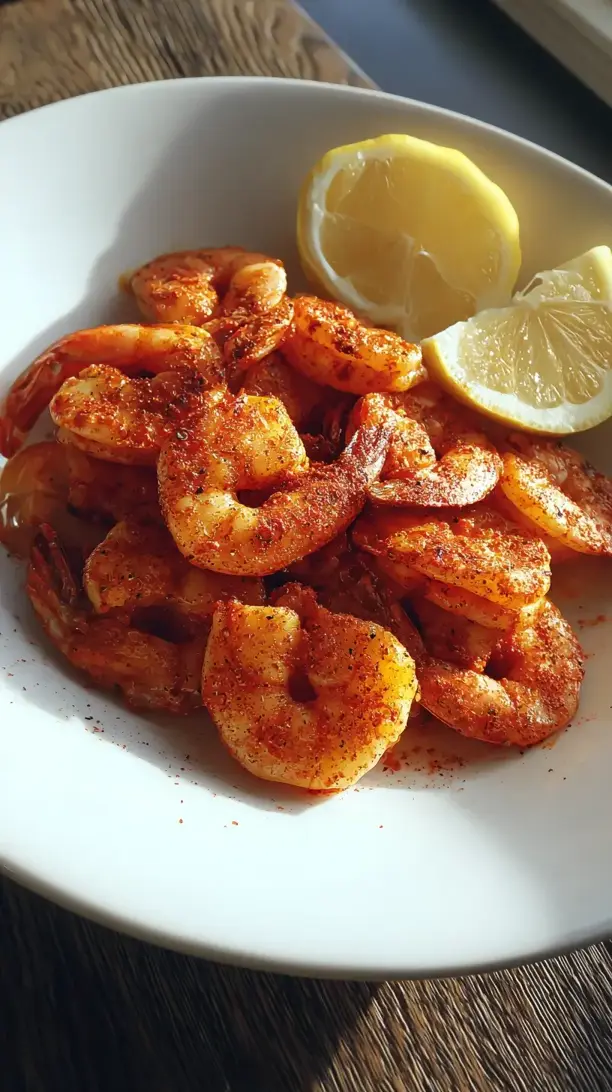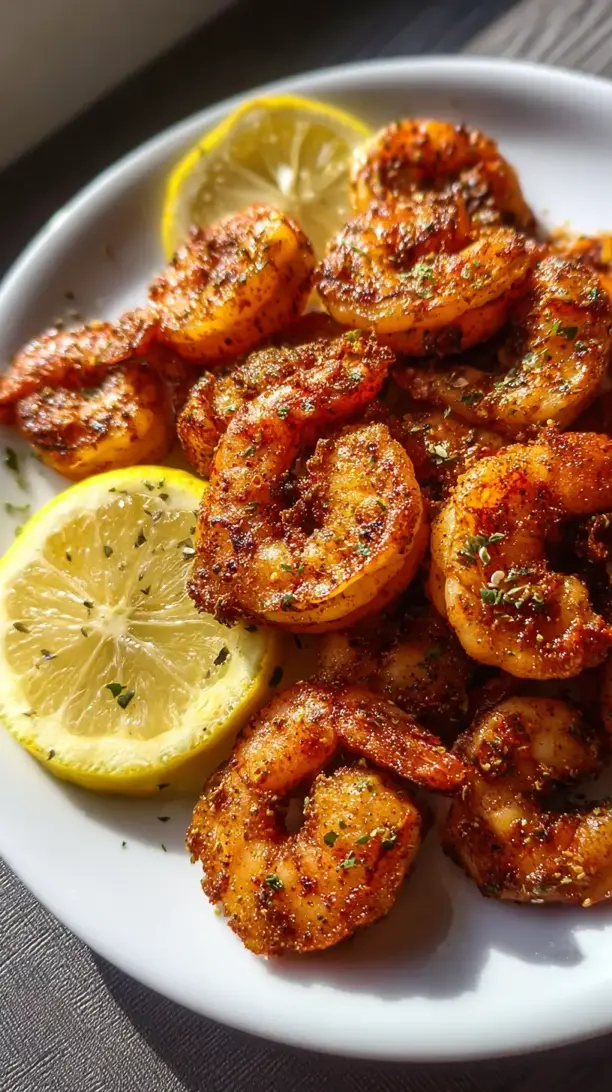

This Green Curry Shrimp delivers a perfect balance of spicy, sweet, salty, and creamy flavors in under 30 minutes. The shrimp soak up the fragrant coconut milk and vibrant curry paste while the vegetables stay crisp-tender. It’s a luxurious yet simple weeknight hero that tastes straight from a Thai restaurant.
Why You’ll Love This Green Curry Shrimp
- Incredibly fast: Ready in about 20 minutes of active cooking.
- Complex flavor, simple process: Store-bought curry paste does the heavy lifting.
- Wonderfully adaptable: Swap vegetables or adjust spice to your liking.
- Feels like a treat: Creamy, luxurious sauce makes any night special.
Ingredients & Tools
- 1 lb (450 g) large raw shrimp, peeled and deveined
- 3 tbsp green curry paste
- 1 can (13.5 oz / 400 ml) full-fat coconut milk
- 1 red bell pepper, thinly sliced
- 1 small zucchini, sliced into half-moons
- 1 small onion, thinly sliced
- 2 tbsp fish sauce
- 1 tbsp palm sugar or light brown sugar
- 1 tbsp vegetable or coconut oil
- 1 cup fresh Thai basil leaves
- 2 kaffir lime leaves, finely shredded (optional, but highly recommended)
- 1 lime, juiced
- 1-2 Thai bird’s eye chilies, thinly sliced (optional, for extra heat)
Tools: A large wok or deep-sided skillet, a wooden spoon or spatula.
Notes: Use full-fat coconut milk for a rich, creamy texture. Choose a quality green curry paste for the best flavor.
Nutrition (per serving)
| Calories: | 320 kcal |
| Protein: | 25 g |
| Fat: | 18 g |
| Carbs: | 15 g |
| Fiber: | 3 g |
Serves: 4 | Prep Time: 15 minutes | Cook Time: 10 minutes | Total Time: 25 minutes
Before You Start: Tips & Ingredient Notes
- Your curry paste is the star. The quality of your green curry paste will make or break this dish. I prefer Thai brands like Maesri or Mae Ploy for their authentic, potent flavor. Taste a tiny bit straight from the jar first — this will tell you how spicy and salty it is, so you can adjust the other seasonings later.
- Don’t skip the sugar. It might seem odd, but that touch of palm or brown sugar is crucial. It’s not about making the curry sweet; it’s about rounding out the sharp, salty, and spicy edges to create a harmonious, balanced sauce.
- Prep everything before you fire up the wok. This recipe moves fast once you start cooking. Having your vegetables sliced, your shrimp ready, and your sauces measured out means you won’t be scrambling and risk overcooking anything. Trust me on this — it makes the process so much smoother.
- Fresh herbs are non-negotiable. Thai basil has a distinct anise-like flavor that’s irreplaceable. If you can’t find it, regular basil is an okay substitute, but the final dish will taste different. And if you see kaffir lime leaves, grab them! Their citrusy perfume is absolutely divine.
How to Make Green Curry Shrimp
Step 1: Start by patting your shrimp completely dry with paper towels. This is a small step with a big payoff — dry shrimp will sear nicely instead of steaming in their own moisture. Give them a light sprinkle of salt and set them aside while you get your curry base ready.
Step 2: Heat the oil in your wok or large skillet over medium-high heat. Once the oil is shimmering, add the green curry paste. Now, this is the secret: you’re going to fry the paste for 1-2 minutes, stirring constantly. You’ll notice the color darken slightly and an incredibly fragrant aroma will bloom from the pan. This step wakes up all the spices and toasts them, building a deep flavor foundation.
Step 3: Scoop out the thick, creamy coconut cream from the top of the can (about ¼ of the can) and add it to the fried paste. Let it bubble and simmer for another minute, stirring to combine it into a thick, fragrant paste. The fat in the coconut cream will further meld with the curry spices, creating an intensely flavorful base.
Step 4: Now, add the rest of the coconut milk, along with the fish sauce and palm sugar. Stir well until the sugar has dissolved completely. Bring the sauce to a gentle simmer — you should see small bubbles around the edges of the pan.
Step 5: Add your sliced onions and bell peppers to the simmering sauce. Let them cook for about 2-3 minutes. You want them to start softening but still retain a pleasant crunch. This quick cook keeps their texture vibrant and fresh.
Step 6: Add the zucchini and the optional kaffir lime leaves and Thai chilies if you’re using them. Cook for just one minute more. Zucchini cooks very quickly and can turn to mush if you’re not careful, so we’re just giving it a head start before the shrimp go in.
Step 7: Carefully add the shrimp to the pan, spreading them out in a single layer as much as possible. Let them simmer in the sauce for 2-3 minutes. You’ll see them turn from grey and translucent to pink and opaque. Flip them halfway through to ensure even cooking. Do not overcook them, or they’ll become rubbery!
Step 8: As soon as the shrimp are cooked through, turn off the heat. Now, stir in the vast majority of your fresh Thai basil leaves and the fresh lime juice. The residual heat will wilt the basil perfectly and brighten everything up with the lime. Give it one final taste — does it need a pinch more salt or a squeeze more lime? Adjust now.
Step 9: Serve immediately, spooning the curry, shrimp, and vegetables over a bed of steaming jasmine rice. Garnish with the remaining fresh basil leaves for a pop of color and fresh aroma.
Storage & Freshness Guide
- Fridge: Store in an airtight container for up to 2 days.
- Freezer: Freezing is not recommended as shrimp can become rubbery and sauce may separate.
- Reviving: Reheat gently on the stovetop over low heat to maintain texture.
Serving Suggestions
Complementary Dishes
- Jasmine Rice — The classic, fluffy, and fragrant rice is the perfect neutral canvas to soak up all that incredible curry sauce. It’s a non-negotiable side for me.
- Quick-Pickled Cucumber Salad — A simple salad of thinly sliced cucumbers, red onion, rice vinegar, and a pinch of sugar provides a crisp, acidic contrast that cuts through the richness of the curry beautifully.
- Fresh Spring Rolls — Serve a few fresh spring rolls with a peanut dipping sauce on the side for a lighter, refreshing start to the meal that complements the curry’s intensity.
Drinks
- A Crisp Lager — A cold, light beer like a Thai lager is fantastic for cooling the palate between bites of the spicy, creamy curry.
- Iced Lemongrass Tea — The subtle citrus and herbal notes in a homemade lemongrass tea are incredibly refreshing and pair wonderfully with the Southeast Asian flavors in the dish.
- A slightly off-dry Riesling — The slight sweetness and high acidity in this white wine balance the spice and richness of the coconut milk, creating a really harmonious pairing.
Something Sweet
- Mango with Sticky Rice — The ultimate Thai dessert. Sweet, ripe mango served with warm, coconut-infused sticky rice is a traditional and utterly satisfying way to end this meal.
- Coconut Ice Cream — A simple scoop of high-quality coconut ice cream is a cool, creamy, and effortless finish that echoes the flavors of the main course.
- Lychee Sorbet — The floral, delicate flavor of lychee sorbet is a light and palate-cleansing option that feels sophisticated and refreshing after a flavorful curry.
Top Mistakes to Avoid
- Mistake: Boiling the curry aggressively. A rapid boil can cause the coconut milk to separate and become oily, and it will absolutely overcook your delicate shrimp. Keep it at a gentle simmer once the liquid is added.
- Mistake: Overcrowding the pan with shrimp. If you dump all the shrimp in a big pile, they’ll steam instead of simmer properly in the sauce. Take a moment to spread them out for even cooking.
- Mistake: Adding the lime juice and basil too early. Their fresh, bright flavors are volatile and will dissipate with long cooking. Stir them in right at the end, off the heat, to preserve their vibrant character.
- Mistake: Underseasoning at the end. Curry is all about balance. After you add the final lime juice, taste it! It might need another pinch of salt, a tiny bit more sugar, or another squeeze of lime to make all the flavors pop.
Expert Tips
- Tip: For an even richer sauce, don’t shake the coconut milk can before opening. Spoon out the thick cream that has risen to the top to fry with the curry paste, then add the thinner remaining liquid later. This double-layering of coconut fat builds incredible depth.
- Tip: If your sauce seems a bit too thin for your liking, mix a teaspoon of cornstarch with a tablespoon of cold water to create a slurry. Stir this into the simmering sauce (before adding the shrimp) and it will thicken up in about a minute.
- Tip: To make this dish ahead, prepare the curry sauce with the vegetables up until the point before adding the shrimp. Let it cool and store it. When ready to serve, reheat the sauce and then add the raw shrimp to cook through. This prevents the shrimp from becoming tough from reheating.
- Tip: If you can’t find kaffir lime leaves, add a teaspoon of finely grated lime zest along with the lime juice at the end. It won’t be exactly the same, but it will provide a lovely citrusy backbone.
FAQs
Can I use frozen shrimp?
Absolutely! Frozen shrimp are often more convenient and can be just as good. The key is to thaw them properly. Place them in a colander in the sink and run cold water over them for a few minutes until fully defrosted. Then, pat them thoroughly dry with paper towels before cooking. Never thaw shrimp at room temperature or in warm water, as this can affect their texture.
My curry is too spicy! How can I fix it?
Don’t panic! The easiest way to tame the heat is to add more coconut milk. You can also stir in an extra tablespoon of palm sugar, as sweetness counteracts spiciness. Serving the curry with plenty of plain jasmine rice will also help dilute the heat with each bite. For next time, remember to taste your curry paste first to gauge its firepower.
Can I make this with chicken or tofu instead?
Of course! For chicken, use boneless, skinless chicken thighs or breasts cut into bite-sized pieces. You’ll need to simmer them in the curry sauce for 8-10 minutes until fully cooked through before adding the vegetables. For firm or extra-firm tofu, pat it dry and pan-fry it until golden before adding it to the sauce at the very end just to heat through.
How long do leftovers keep?
Leftovers will keep in an airtight container in the refrigerator for up to 2 days. Reheat gently on the stovetop over low heat, as microwaving can cause the shrimp to become rubbery and the sauce to separate. You may find the vegetables have softened upon reheating, but the flavors will still be delicious.
Is there a substitute for fish sauce?
If you don’t eat fish, you can use soy sauce or tamari for a gluten-free option. The flavor profile will be different — you’ll lose that distinct umami funk that fish sauce provides — but it will still be salty and savory. You could also try a vegan fish sauce alternative, which is often made from seaweed and mushrooms.
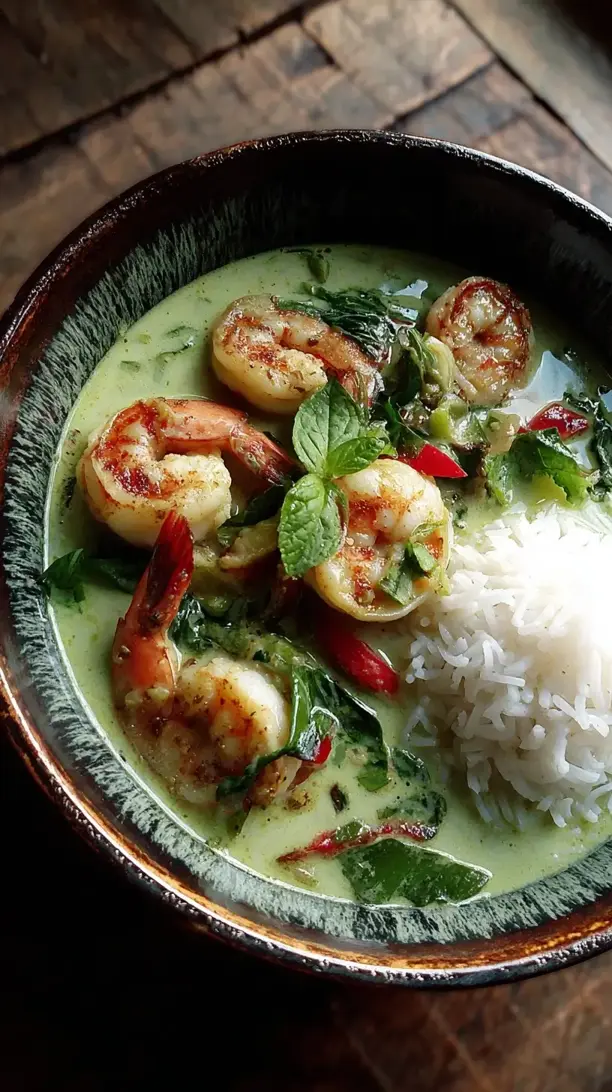
Green Curry Shrimp
Make restaurant-quality Green Curry Shrimp at home in under 30 minutes. This easy recipe features a creamy coconut sauce and tender shrimp. Get the recipe now!
Ingredients
For the Main Ingredients
-
1 lb large raw shrimp (peeled and deveined)
-
3 tbsp green curry paste
-
1 can full-fat coconut milk (13.5 oz / 400 ml)
-
1 red bell pepper (thinly sliced)
-
1 small zucchini (sliced into half-moons)
-
1 small onion (thinly sliced)
-
2 tbsp fish sauce
-
1 tbsp palm sugar or light brown sugar
-
1 tbsp vegetable or coconut oil
-
1 cup fresh Thai basil leaves
-
2 kaffir lime leaves (finely shredded (optional, but highly recommended))
-
1 lime (juiced)
-
1-2 Thai bird's eye chilies (thinly sliced (optional, for extra heat))
Instructions
-
Start by patting your shrimp completely dry with paper towels. Give them a light sprinkle of salt and set them aside while you get your curry base ready.01
-
Heat the oil in your wok or large skillet over medium-high heat. Once the oil is shimmering, add the green curry paste. Fry the paste for 1-2 minutes, stirring constantly.02
-
Scoop out the thick, creamy coconut cream from the top of the can (about ¼ of the can) and add it to the fried paste. Let it bubble and simmer for another minute, stirring to combine it into a thick, fragrant paste.03
-
Add the rest of the coconut milk, along with the fish sauce and palm sugar. Stir well until the sugar has dissolved completely. Bring the sauce to a gentle simmer.04
-
Add your sliced onions and bell peppers to the simmering sauce. Let them cook for about 2-3 minutes.05
-
Add the zucchini and the optional kaffir lime leaves and Thai chilies if you're using them. Cook for just one minute more.06
-
Carefully add the shrimp to the pan, spreading them out in a single layer as much as possible. Let them simmer in the sauce for 2-3 minutes. Flip them halfway through to ensure even cooking.07
-
As soon as the shrimp are cooked through, turn off the heat. Stir in the vast majority of your fresh Thai basil leaves and the fresh lime juice. Give it one final taste and adjust seasoning if needed.08
-
Serve immediately, spooning the curry, shrimp, and vegetables over a bed of steaming jasmine rice. Garnish with the remaining fresh basil leaves.09