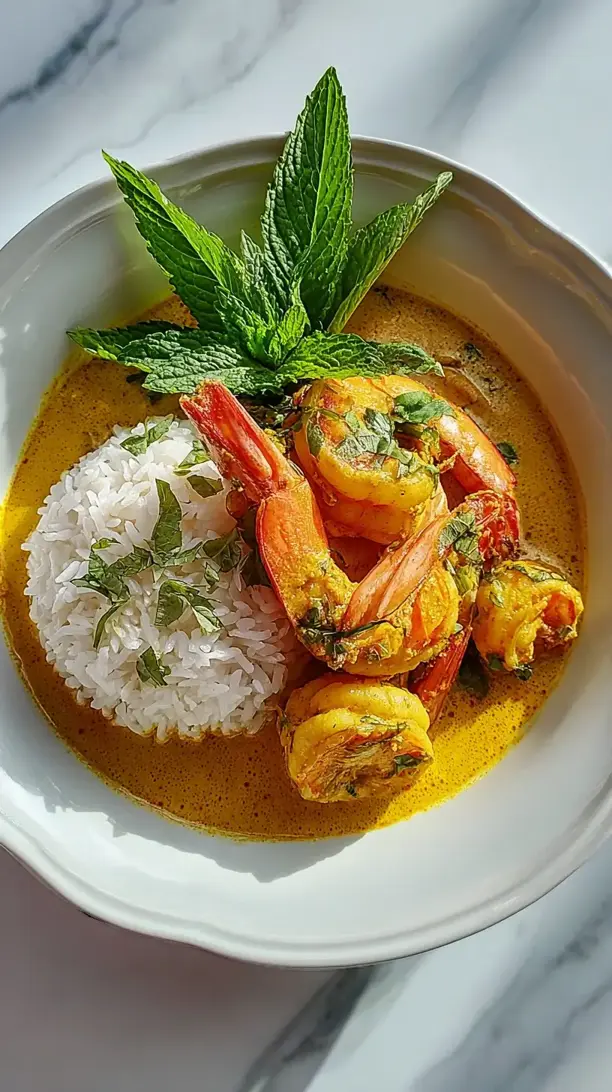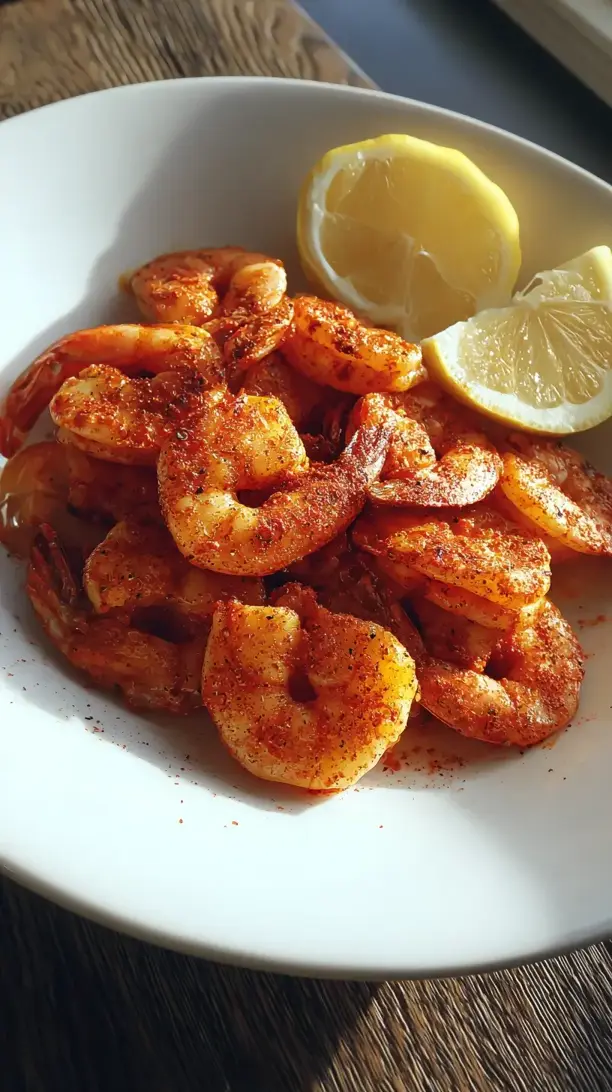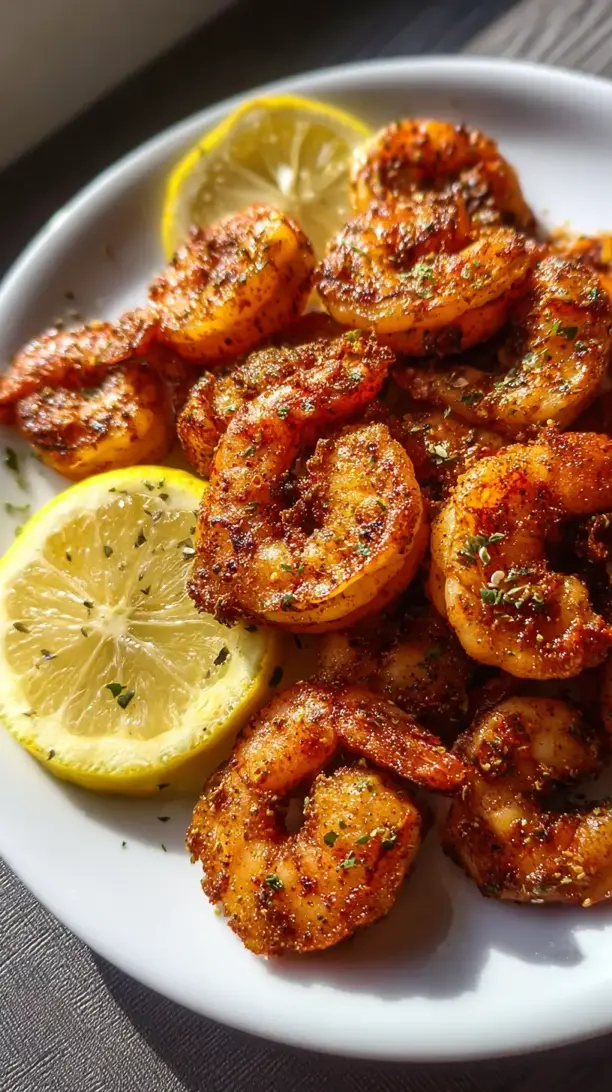

This Garlic Ginger Shrimp Stir Fry delivers restaurant-quality flavor in under 20 minutes. The sizzle of shrimp hitting a hot wok and the aroma of fresh garlic and ginger create a vibrant, saucy dish that’s both special and effortless. It’s faster than takeout and endlessly adaptable with whatever veggies you have on hand.
Why You’ll Love This Garlic Ginger Shrimp Stir Fry
- 20-minute wonder: From fridge to table in a flash.
- Dynamic flavor: Pungent garlic, zesty ginger, sweet-savory glaze.
- Endlessly adaptable: Swap veggies based on what you have.
- Light & satisfying: Protein-packed without feeling heavy.
Ingredients & Tools
- 450 g large raw shrimp, peeled and deveined
- 2 tbsp vegetable or avocado oil, divided
- 1 tbsp cornstarch
- 5 cloves garlic, minced
- 1 tbsp fresh ginger, grated
- 1 red bell pepper, thinly sliced
- 150 g snap peas or sugar snap peas
- 3 spring onions, sliced (white and green parts separated)
- 60 ml soy sauce (or tamari for gluten-free)
- 2 tbsp honey or maple syrup
- 1 tbsp rice vinegar
- 1 tsp sesame oil
- 1/4 tsp red pepper flakes (optional, for heat)
- Toasted sesame seeds for garnish
Tools: A large wok or a large, heavy-bottomed skillet, a microplane or fine grater for the ginger, and a small bowl for the sauce.
Don’t be tempted to skip the cornstarch on the shrimp—it’s the key to getting that beautifully crisp, golden sear. And that final drizzle of sesame oil? A little goes a long way to adding that authentic, nutty finish.
Nutrition (per serving)
| Calories: | 285 kcal |
| Protein: | 28 g |
| Fat: | 9 g |
| Carbs: | 22 g |
| Fiber: | 3 g |
Serves: 3 | Prep Time: 10 minutes | Cook Time: 10 minutes | Total Time: 20 minutes
Before You Start: Tips & Ingredient Notes
- Shrimp selection is key. Look for raw, large shrimp (often labeled 26/30 or 31/40 count). I find frozen, peeled, and deveined shrimp to be a huge time-saver—just make sure they are fully thawed and patted very dry with paper towels before cooking.
- Fresh garlic and ginger are non-negotiable. I know it’s tempting to reach for the jarred stuff, but trust me on this. The flavor from fresh aromatics is brighter, sharper, and more complex. It truly makes all the difference in creating a vibrant sauce.
- Have everything prepped and within arm’s reach. Stir-frying is a fast process with no time to stop and mince garlic once you’ve started. This “mise en place” approach is your best friend here and ensures nothing burns while you’re scrambling.
- Get your wok or pan screaming hot. A properly heated cooking surface is what gives you that coveted “wok hei” or breath of the wok—a slightly smoky, seared flavor. If your pan isn’t hot enough, the shrimp will steam and become rubbery.
How to Make Garlic Ginger Shrimp Stir Fry
Step 1: Start by prepping your shrimp. If they aren’t already, pat them completely dry with paper towels—this is crucial for a good sear. Toss the dried shrimp in a medium bowl with the cornstarch until they are lightly and evenly coated. This thin layer will help them brown beautifully and will also help thicken the sauce later on.
Step 2: Now, let’s make the sauce. In a small bowl or measuring jug, whisk together the soy sauce, honey (or maple syrup), rice vinegar, and the optional red pepper flakes. Whisk it until the honey is fully dissolved. Having this ready to go means you can add it to the pan in one swift, smooth motion when the time comes.
Step 3: Heat one tablespoon of your oil in a wok or large skillet over high heat. Once the oil is shimmering and just starting to smoke, add the shrimp in a single layer. Don’t crowd the pan—cook in two batches if necessary. Let them sear undisturbed for about 60-90 seconds until a golden-brown crust forms on the bottom.
Step 4: Flip the shrimp and cook for another 30-60 seconds, just until they are pink and opaque all the way through. They cook incredibly fast! Quickly remove them from the wok and set them aside on a clean plate. They will finish cooking a little more later, so it’s okay if they seem slightly underdone.
Step 5: Reduce the heat to medium-high and add the remaining tablespoon of oil to the same wok. Immediately add the sliced bell pepper and snap peas. Stir-fry for about 2 minutes until they are bright in color and just starting to soften but still have a nice crunch. You’ll hear a vigorous sizzle—that’s what you want!
Step 6: Push the vegetables to the sides of the wok, creating a clear space in the center. Add the minced garlic, grated ginger, and the white parts of the spring onions to this empty spot. Let them cook for just 30 seconds, stirring constantly, until incredibly fragrant. Be careful not to let the garlic burn, as it will turn bitter.
Step 7: Now, pour your pre-mixed sauce into the center of the wok. It will bubble and simmer immediately. Let it cook for about 30 seconds to thicken slightly. You’ll notice the sauce becoming glossier and starting to coat the back of a spoon.
Step 8: Return the cooked shrimp (and any accumulated juices) back to the wok, along with the green parts of the spring onions. Toss everything together vigorously for about one minute, until the shrimp are reheated and everything is coated in that gorgeous, glossy sauce. Drizzle with the sesame oil and give it one final toss.
Step 9: Your stir fry is ready! Take the wok off the heat immediately to prevent overcooking. Serve it straight away over steamed rice or noodles, garnished generously with a sprinkle of toasted sesame seeds for a final nutty, textural flourish.
Storage & Freshness Guide
- Fridge: Store in an airtight container for up to 2 days.
- Freezer: Not recommended; shrimp can become rubbery upon thawing.
- Reviving: Reheat gently in a skillet with a splash of water to loosen sauce.
Serving Suggestions
Complementary Dishes
- Steamed Jasmine Rice — The fluffy, slightly sticky grains are the perfect canvas to soak up every last drop of that incredible garlic-ginger sauce. It’s a classic pairing for a reason.
- Simple Cucumber Salad — Thinly sliced cucumbers with a quick rice vinegar dressing provide a cool, crisp, and refreshing contrast to the warm, savory stir fry.
- Vegetable Spring Rolls — A few crispy, baked or air-fried spring rolls on the side turn this quick meal into a full-blown, restaurant-style feast.
Drinks
- Cold, Crisp Lager — The clean, effervescent bubbles cut through the richness of the sauce and cleanse the palate beautifully between bites.
- Earl Grey Iced Tea — The subtle bergamot and floral notes in the tea are a surprisingly elegant and refreshing partner to the bold ginger and garlic flavors.
- Gewürztraminer (White Wine) — This aromatic white wine has notes of lychee and spice that harmonize wonderfully with the Asian-inspired flavors in the dish.
Something Sweet
- Mango Sticky Rice — The sweet, creamy coconut rice and ripe, juicy mango offer a tropical, decadent finish that feels like a true celebration.
- Fortune Cookies & Green Tea Ice Cream — A little crunch, a little cool creaminess, and a hint of matcha bitterness create a simple yet satisfying end to the meal.
- Lychee Sorbet — Light, floral, and incredibly refreshing, a scoop of this sorbet is the perfect palate-cleanser after a savory, umami-packed dinner.
Top Mistakes to Avoid
- Mistake: Overcrowding the pan. If you dump all the shrimp in at once, they’ll steam instead of sear, resulting in a rubbery texture and a lack of that beautiful browning. Give them space to breathe!
- Mistake: Using jarred, pre-minced garlic and ginger. I’ve tried this shortcut before and honestly, the flavor is muted and sometimes has a slightly off, preserved taste. The fresh stuff is so much more potent and vibrant.
- Mistake: Overcooking the shrimp. Shrimp cook in a flash. The moment they curl into a tight “C” shape and turn opaque, they’re done. Any longer and they’ll become tough and chewy. Remember, they get a quick reheat at the end.
- Mistake: Adding the sauce too early. If you add the sauce before you’ve properly seared your vegetables and aromatics, everything will braise and become soggy. Get that high-heat sear first, then introduce the sauce.
Expert Tips
- Tip: Velvet your shrimp for extra tenderness. For an even more restaurant-quality texture, marinate your patted-dry shrimp for 15 minutes in a mixture of 1 egg white, 1 tbsp rice wine, and 1 tsp cornstarch before the initial cornstarch coating. Rinse and pat dry again, then proceed. It creates an incredibly silky mouthfeel.
- Tip: Add a splash of citrus at the end. A quick squeeze of fresh lime juice just before serving can brighten up the entire dish, lifting all the other flavors and adding a wonderful layer of acidity.
- Tip: Use a combination of oils. Use a high-smoke-point oil like avocado for the initial searing, but finish with a flavorful oil like toasted sesame or even a chili oil. This builds layers of flavor from start to finish.
- Tip: Don’t skip the garnish. Those toasted sesame seeds and fresh spring onion greens aren’t just for looks. They add a crucial textural contrast and a final burst of fresh flavor that makes the dish pop.
FAQs
Can I use frozen vegetables instead of fresh?
Absolutely, you can! It’s a great way to make this recipe even quicker. I’d recommend using a frozen stir-fry vegetable mix. The key is to add them to the wok straight from the freezer—no need to thaw. You may need to add an extra minute to the stir-frying time to cook off any excess moisture they release, which can prevent your sauce from properly thickening.
How do I store and reheat leftovers?
Store any leftovers in an airtight container in the refrigerator for up to 2 days. The best way to reheat is in a skillet over medium heat, stirring frequently, until warmed through. You can add a tiny splash of water or broth to loosen the sauce if it has thickened too much. I’d avoid the microwave, as it can make the shrimp rubbery.
What can I use instead of soy sauce?
For a gluten-free option, tamari is a perfect 1:1 substitute. If you’re looking to reduce sodium, you can use a low-sodium soy sauce. Coconut aminos are another great alternative—they’re a bit sweeter and less salty, so you might want to adjust the honey down slightly if you go that route.
My sauce is too thin. How can I thicken it?
No worries, this happens! The easiest fix is to create a quick slurry. Mix 1 teaspoon of cornstarch with 1 tablespoon of cold water in a small bowl until smooth. Push your stir-fry to one side of the wok, pour the slurry into the simmering sauce, and stir constantly. It should thicken up within 30-60 seconds. Then toss everything together again.
Can I make this with chicken or tofu instead?
Of course! For chicken, use boneless, skinless chicken breast or thighs cut into bite-sized pieces, and cook until no longer pink in the center. For tofu, use extra-firm tofu, press it well to remove water, cube it, and pan-fry until golden and crisp before adding it back in with the sauce. The cooking times will just adjust slightly.
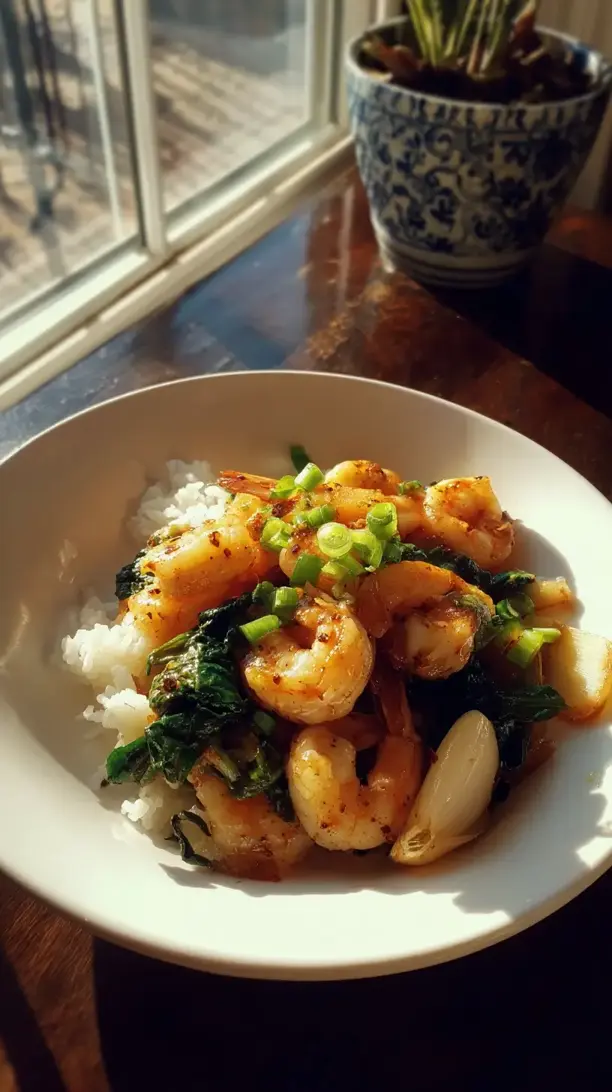
Garlic Ginger Shrimp Stir Fry
Make this easy Garlic Ginger Shrimp Stir Fry in just 20 minutes! It's faster than takeout and packed with flavor. Get the simple recipe and cook it tonight!
Ingredients
For the main ingredients:
-
450 g large raw shrimp (peeled and deveined)
-
2 tbsp vegetable or avocado oil (divided)
-
1 tbsp cornstarch
-
5 cloves garlic (minced)
-
1 tbsp fresh ginger (grated)
-
1 red bell pepper (thinly sliced)
-
150 g snap peas or sugar snap peas
-
3 spring onions (sliced (white and green parts separated))
-
60 ml soy sauce or tamari (for gluten-free)
-
2 tbsp honey or maple syrup
-
1 tbsp rice vinegar
-
1 tsp sesame oil
-
0.25 tsp red pepper flakes (optional, for heat)
-
Toasted sesame seeds (for garnish)
Instructions
-
Start by prepping your shrimp. If they aren’t already, pat them completely dry with paper towels—this is crucial for a good sear. Toss the dried shrimp in a medium bowl with the cornstarch until they are lightly and evenly coated. This thin layer will help them brown beautifully and will also help thicken the sauce later on.01
-
Now, let’s make the sauce. In a small bowl or measuring jug, whisk together the soy sauce, honey (or maple syrup), rice vinegar, and the optional red pepper flakes. Whisk it until the honey is fully dissolved. Having this ready to go means you can add it to the pan in one swift, smooth motion when the time comes.02
-
Heat one tablespoon of your oil in a wok or large skillet over high heat. Once the oil is shimmering and just starting to smoke, add the shrimp in a single layer. Don’t crowd the pan—cook in two batches if necessary. Let them sear undisturbed for about 60-90 seconds until a golden-brown crust forms on the bottom.03
-
Flip the shrimp and cook for another 30-60 seconds, just until they are pink and opaque all the way through. They cook incredibly fast! Quickly remove them from the wok and set them aside on a clean plate. They will finish cooking a little more later, so it’s okay if they seem slightly underdone.04
-
Reduce the heat to medium-high and add the remaining tablespoon of oil to the same wok. Immediately add the sliced bell pepper and snap peas. Stir-fry for about 2 minutes until they are bright in color and just starting to soften but still have a nice crunch. You’ll hear a vigorous sizzle—that’s what you want!05
-
Push the vegetables to the sides of the wok, creating a clear space in the center. Add the minced garlic, grated ginger, and the white parts of the spring onions to this empty spot. Let them cook for just 30 seconds, stirring constantly, until incredibly fragrant. Be careful not to let the garlic burn, as it will turn bitter.06
-
Now, pour your pre-mixed sauce into the center of the wok. It will bubble and simmer immediately. Let it cook for about 30 seconds to thicken slightly. You’ll notice the sauce becoming glossier and starting to coat the back of a spoon.07
-
Return the cooked shrimp (and any accumulated juices) back to the wok, along with the green parts of the spring onions. Toss everything together vigorously for about one minute, until the shrimp are reheated and everything is coated in that gorgeous, glossy sauce. Drizzle with the sesame oil and give it one final toss.08
-
Your stir fry is ready! Take the wok off the heat immediately to prevent overcooking. Serve it straight away over steamed rice or noodles, garnished generously with a sprinkle of toasted sesame seeds for a final nutty, textural flourish.09