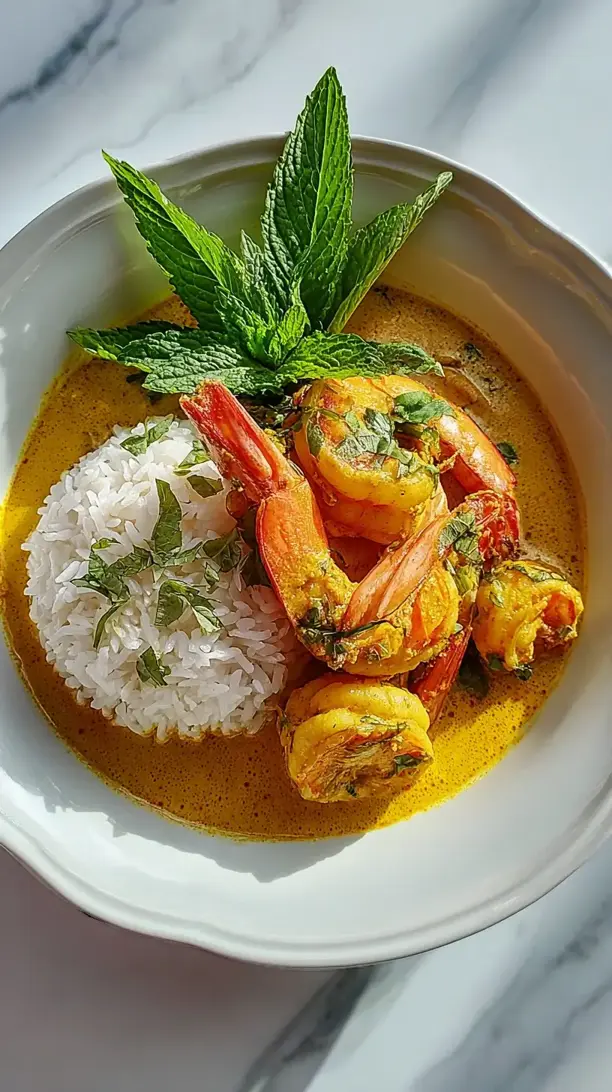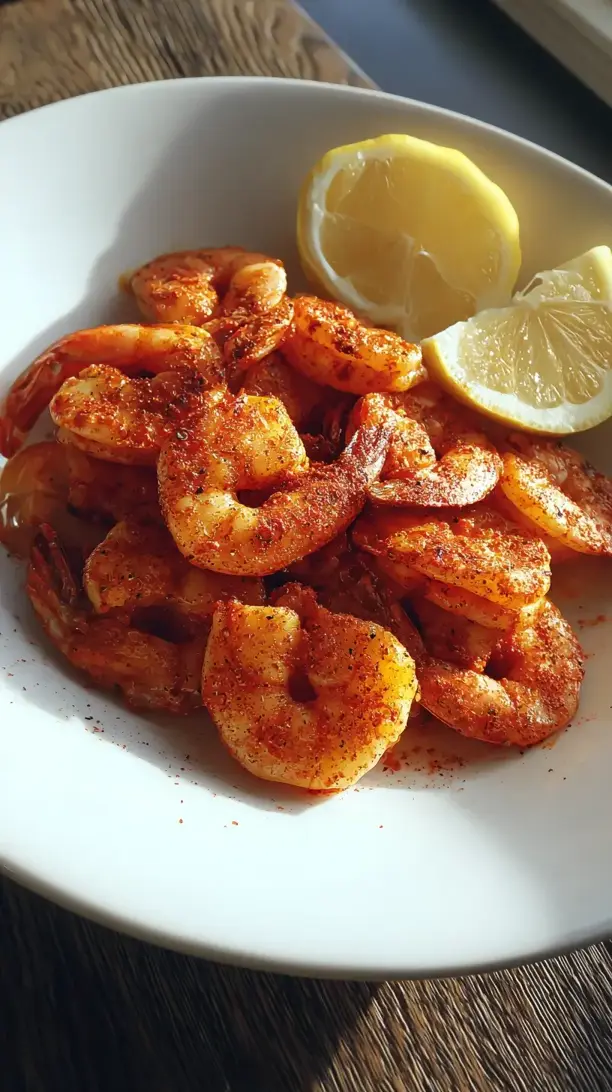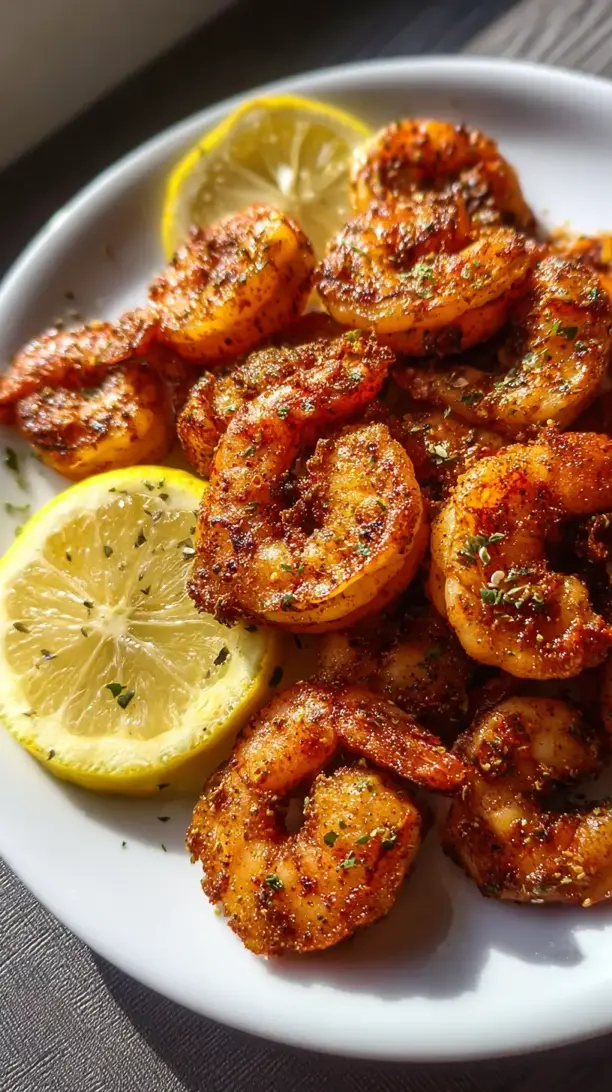

This Dairy-Free Shrimp recipe is a quick, vibrant, and versatile dish that skips the butter and cream without sacrificing flavor. Tender shrimp are seared and coated in a zesty, aromatic pan sauce for a satisfying meal in under 20 minutes. It’s perfect for anyone seeking a light yet indulgent dairy-free seafood option.
Why You’ll Love This Dairy-Free Shrimp
- Quick & foolproof: Ready in about 15 minutes with minimal cleanup.
- Bright & zesty flavor: Tangy lemon, garlic, and chili create a rich, dairy-free sauce.
- Amazingly versatile: Serve over pasta, rice, salads, or in tacos.
- Wholesome indulgence: Lean protein and fresh ingredients feel light yet special.
Ingredients & Tools
- 450 g large raw shrimp, peeled and deveined
- 3 tbsp olive oil, divided
- 4 garlic cloves, minced
- 1 lemon, juiced (about 3 tbsp)
- 2 tbsp fresh parsley, finely chopped
- 1 tsp smoked paprika
- 1/2 tsp red pepper flakes (adjust to taste)
- 1/4 cup low-sodium vegetable broth
- Kosher salt and freshly ground black pepper
Tools: A large skillet (stainless steel or cast iron works best), tongs, a microplane or garlic press, and a small bowl for mixing.
Notes: Use good quality olive oil for the sauce base and fresh lemon juice for bright acidity. Don’t skimp on the garlic—it’s the heart of the flavor.
Nutrition (per serving)
| Calories: | 215 kcal |
| Protein: | 24 g |
| Fat: | 11 g |
| Carbs: | 4 g |
| Fiber: | 1 g |
Serves: 3-4 | Prep Time: 10 minutes | Cook Time: 5 minutes | Total Time: 15 minutes
Before You Start: Tips & Ingredient Notes
- Pat your shrimp completely dry. This is the single most important step for getting a beautiful sear instead of steaming them. Use paper towels and press gently to remove all surface moisture—you’ll be rewarded with a gorgeous golden crust.
- Don’t skip the vegetable broth. It might seem like a small amount, but it works with the lemon juice to create a light, flavorful pan sauce that deglazes all the tasty browned bits from the skillet. It adds a subtle depth that water just can’t provide.
- Have all your ingredients prepped and ready. Because the cooking process is so fast, you won’t have time to mince garlic or juice a lemon once the shrimp hit the pan. This “mise en place” ensures nothing burns while you’re scrambling.
- Use raw shrimp for the best texture. Pre-cooked shrimp will become tough and rubbery when reheated in the skillet. Starting with raw, peeled, and deveined shrimp guarantees that tender, juicy bite we’re after.
How to Make Dairy-Free Shrimp
Step 1: Start by preparing your shrimp. If they’re frozen, thaw them completely in a bowl of cold water, then drain. Pat the shrimp very dry with several layers of paper towels. This is crucial—any extra moisture will prevent them from browning properly. Season the shrimp generously on both sides with kosher salt, black pepper, and the smoked paprika. The paprika will give them a lovely color and a subtle smoky flavor.
Step 2: Place your large skillet over medium-high heat and let it get properly hot. You should be able to feel the heat radiating when you hold your hand a few inches above the surface. Add two tablespoons of the olive oil and swirl it around to coat the pan. Carefully place the shrimp in a single layer, making sure they aren’t crowded. You might need to cook them in two batches depending on the size of your pan.
Step 3: Let the shrimp cook undisturbed for about 1 to 1.5 minutes. You’ll notice the edges starting to turn pink and opaque. This is when you flip them! Using tongs, turn each shrimp over. They should have a nice golden sear on the first side. Cook for another minute on the second side until they are just cooked through. They will be pink and firm to the touch, with a “C” shape. Immediately transfer them to a clean plate. Do not leave them in the hot pan, or they will overcook.
Step 4: Reduce the heat to medium-low. To the same skillet, add the remaining tablespoon of olive oil. Add the minced garlic and red pepper flakes. Sauté for just 30-60 seconds, stirring constantly, until the garlic is fragrant. You have to watch it closely—garlic can burn in a heartbeat and turn bitter. The moment you smell that wonderful, toasty aroma, it’s time for the next step.
Step 5: Pour the vegetable broth and lemon juice into the skillet. It will sizzle and steam dramatically—that’s a good sign! Use a wooden spoon or spatula to scrape up all the browned, flavorful bits stuck to the bottom of the pan. This process, called deglazing, is where a huge amount of the sauce’s flavor comes from. Let the liquid simmer for about a minute, allowing it to reduce slightly and thicken.
Step 6: Return the cooked shrimp and any accumulated juices from the plate back to the skillet. Toss everything together to coat the shrimp evenly in the glorious sauce. Let them heat through for just 30 seconds. Turn off the heat and stir in the fresh parsley. Give it one final toss, taste, and adjust seasoning with more salt or pepper if needed. The sauce should be glossy and lightly coat the back of a spoon.
Storage & Freshness Guide
- Fridge: Store leftovers in an airtight container for up to 2 days.
- Freezer: Freezing is not recommended as shrimp can become rubbery upon thawing.
- Reviving: Gently reheat in a skillet over low heat to avoid overcooking.
Serving Suggestions
Complementary Dishes
- Garlicky Sautéed Spinach — The earthy flavor of the greens is a perfect textural and flavor contrast to the bright, juicy shrimp.
- Cilantro-Lime Rice — The fresh, citrusy rice soaks up the delicious pan sauce and makes the meal feel complete and satisfying.
- Creamy Polenta (Dairy-Free) — Made with olive oil and vegetable broth, a soft polenta creates a luxurious, comforting base for the shrimp.
Drinks
- A Crisp Sauvignon Blanc — Its high acidity and citrus notes mirror the lemon in the dish, creating a beautifully harmonious pairing.
- Sparkling Water with Lemon — For a non-alcoholic option, the bubbles and citrus cleanse the palate between each flavorful bite.
- A Light Lager — A cold, crisp beer won’t overpower the shrimp and its effervescence cuts through the richness of the olive oil.
Something Sweet
- Lemon Sorbet — It continues the citrus theme in a refreshing, palate-cleansing way that feels light and elegant after the savory main course.
- Dark Chocolate-Dipped Orange Segments — The bitter chocolate and sweet, bright orange provide a sophisticated, simple finish.
- Coconut Macaroons — Their chewy texture and subtle sweetness are a delightful, dairy-free end to the meal.
Top Mistakes to Avoid
- Overcooking the shrimp. Shrimp cook in just a few minutes and go from perfectly tender to tough and rubbery in a matter of seconds. The moment they curl into a tight “C” shape and are opaque, they’re done. I’ve messed this up before too, and it’s a real shame.
- Crowding the pan. If you dump all the shrimp in at once, they’ll steam instead of sear. You need space for the moisture to evaporate so they can develop that beautiful, flavorful crust. Cook in batches if your pan is small.
- Using bottled lemon juice. The flavor is flat and often has a preservative aftertaste that will dull your entire sauce. Freshly squeezed lemon juice is vibrant and non-negotiable for the bright, clean flavor we want.
- Burning the garlic. Garlic cooks very quickly and burns easily, which will make your entire sauce taste bitter. Keep the heat low after cooking the shrimp and stir constantly for that short 30-second cook time.
Expert Tips
- Tip: For an extra flavor boost, add a splash of dry white wine to the pan after cooking the garlic, before the broth and lemon. Let it reduce by half—it adds a wonderful complexity.
- Tip: If you want a thicker sauce, you can make a quick slurry by mixing a teaspoon of cornstarch with a tablespoon of cold water. Stir it into the sauce after you’ve added the broth and let it simmer for a minute until it thickens.
- Tip: Let the shrimp sit at room temperature for 10-15 minutes before cooking. Taking the chill off ensures they cook more evenly and quickly, reducing the risk of overcooking the outside before the inside is done.
- Tip: For a herby twist, swap the parsley for other soft herbs like fresh basil, chives, or dill. Add them at the very end, off the heat, to keep their fresh, bright flavor intact.
FAQs
Can I use frozen shrimp?
Absolutely! Frozen shrimp are often fresher than “fresh” shrimp at the counter, which have usually been thawed. Just make sure to thaw them properly first. The best method is to place them in a colander and run cold water over them for 5-10 minutes, or let them thaw overnight in the fridge. The most important step is to pat them completely dry with paper towels before seasoning and cooking.
How can I tell when the shrimp are cooked perfectly?
You’re looking for two main signs: color and shape. The shrimp will turn from gray and translucent to a pinkish-white and opaque. They will also curl up, forming a loose “C” shape. If they curl into a tight “O”, they are almost certainly overcooked. They should feel firm but still slightly springy to the touch.
What can I use instead of vegetable broth?
Chicken broth works just fine if that’s what you have on hand. You could even use a splash of water in a pinch, but the flavor won’t be as deep. If using water, you might want to add an extra pinch of salt to the sauce at the end to compensate.
Is this recipe spicy?
It has a mild, background warmth from the red pepper flakes. It’s not intended to be a spicy dish, but you have full control. For no heat, simply omit the red pepper flakes. For more kick, add a pinch more, or even add a thinly sliced fresh chili pepper when you cook the garlic.
Can I make this ahead of time?
Shrimp are truly best served immediately after cooking. However, you can do all the prep ahead—peel the shrimp, mince the garlic, chop the parsley, and juice the lemon. Store each component separately in the fridge. When you’re ready to eat, the actual cooking will take less than 5 minutes, making it a fantastic last-minute meal.
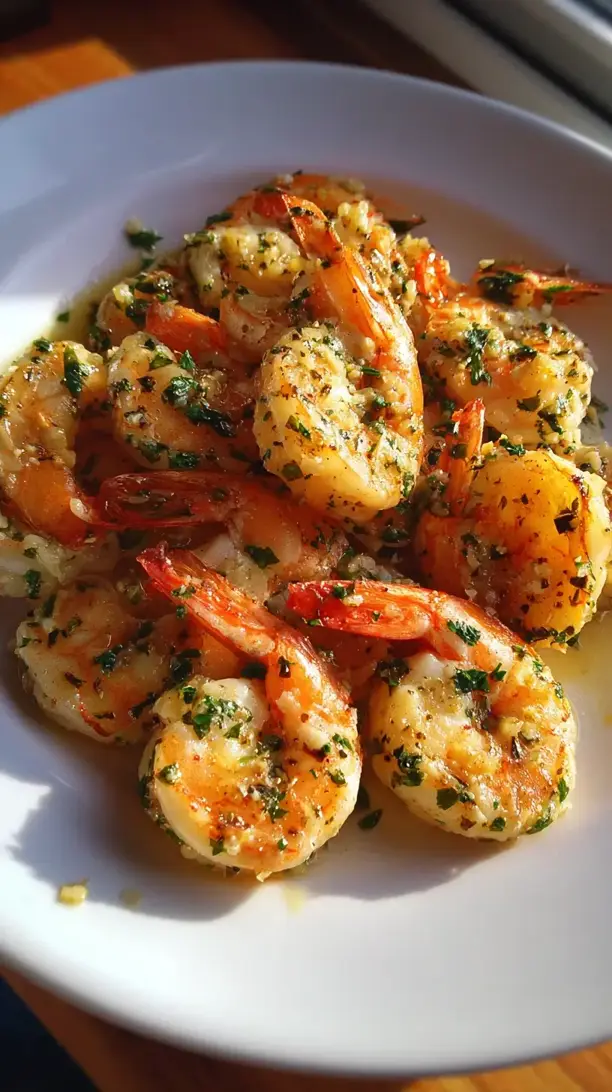
Dairy Free Shrimp
Make this easy Dairy-Free Shrimp recipe in 15 minutes! Tender shrimp in a zesty lemon-garlic sauce. A perfect, healthy weeknight meal. Get the recipe now!
Ingredients
For the Ingredients & Tools
-
450 g large raw shrimp (peeled and deveined)
-
3 tbsp olive oil (divided)
-
4 cloves garlic (minced)
-
1 lemon (juiced (about 3 tbsp))
-
2 tbsp fresh parsley (finely chopped)
-
1 tsp smoked paprika
-
1/2 tsp red pepper flakes (adjust to taste)
-
1/4 cup low-sodium vegetable broth
-
Kosher salt and freshly ground black pepper