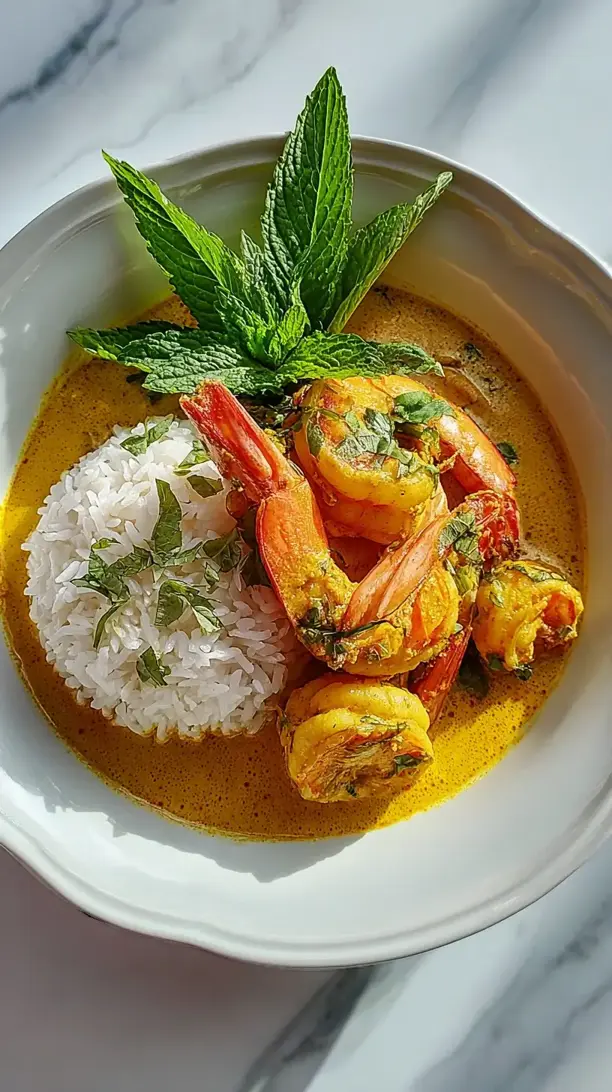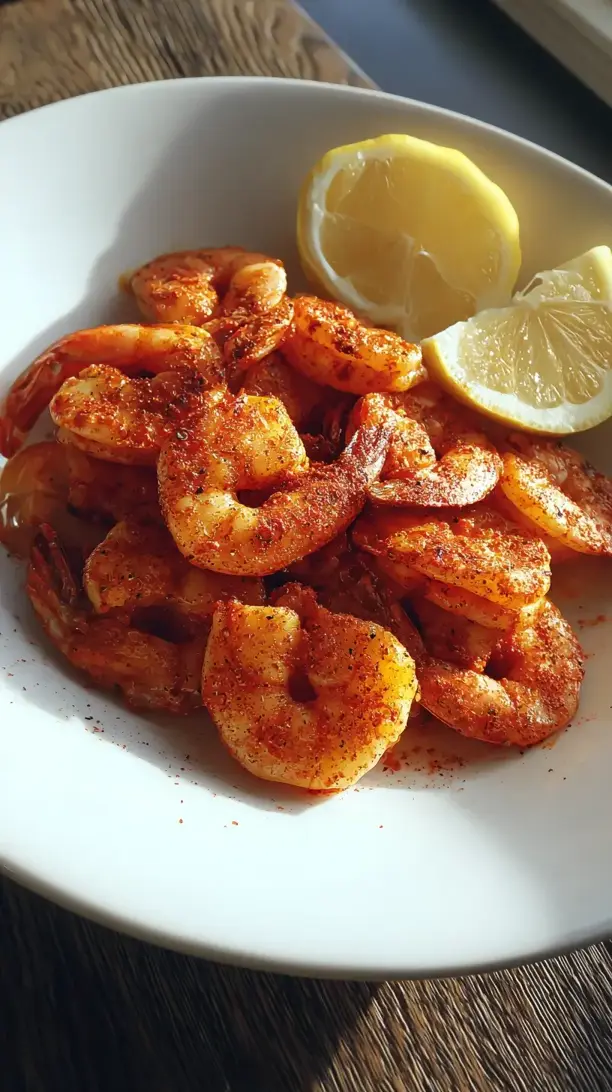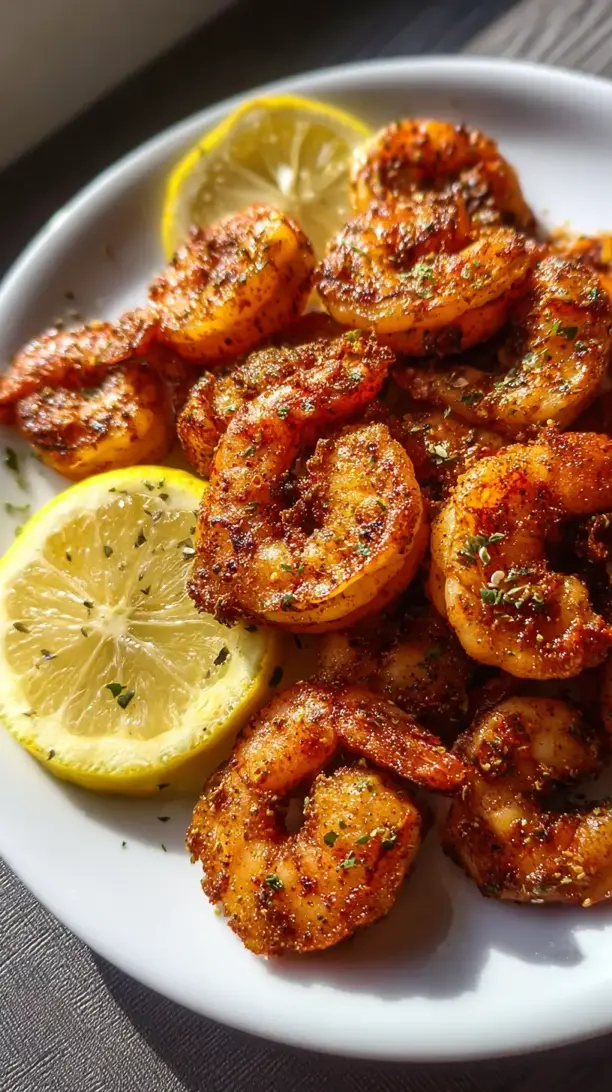

This Balsamic Glazed Shrimp recipe delivers plump, juicy shrimp coated in a sweet-tangy balsamic reduction. It feels fancy but comes together in just 20 minutes, making it perfect for weeknights or date night. The glossy, garlicky glaze caramelizes beautifully for a memorable meal.
Why You’ll Love This Balsamic Glazed Shrimp
- Fast & impressive: Ready in 20 minutes for a restaurant-worthy meal.
- Perfect flavor balance: Sweet honey and savory garlic mellow the tangy balsamic.
- Incredibly versatile: Serve over polenta, rice, salad, or as an appetizer.
- Dreamy texture: Tender, snappy shrimp with a sticky, caramelized coating.
Ingredients & Tools
- 450 g large raw shrimp, peeled and deveined
- 120 ml good-quality balsamic vinegar
- 3 tbsp honey
- 3 cloves garlic, minced
- 1 tbsp olive oil
- 1/2 tsp smoked paprika
- 1/4 tsp red pepper flakes (optional, for heat)
- 2 tbsp unsalted butter
- To taste salt and freshly ground black pepper
- For garnish fresh chopped parsley or basil
Tools: A large skillet (non-stick or cast-iron works great), a small saucepan, and a whisk.
Notes: Use a moderately priced, slightly sweeter balsamic vinegar for best results. Shrimp with tails on look prettier and add extra flavor.
Nutrition (per serving)
| Calories: | 280 kcal |
| Protein: | 24 g |
| Fat: | 10 g |
| Carbs: | 22 g |
| Fiber: | 0.5 g |
Serves: 3-4 | Prep Time: 10 minutes | Cook Time: 10 minutes | Total Time: 20 minutes
Before You Start: Tips & Ingredient Notes
- Pat your shrimp completely dry. This is the single most important step for getting a good sear instead of steaming them. Any excess moisture on the shrimp will prevent that beautiful, caramelized crust from forming.
- Choose your balsamic wisely. You don’t need to break the bank on a 50-year-aged bottle, but do avoid the very cheapest, harsh-tasting options. Look for one labeled “Modena” or “Balsamic Vinegar of Modena”—it tends to have a better, more balanced flavor for glazes.
- Don’t walk away from the reducing glaze. It goes from perfectly syrupy to burnt and bitter surprisingly fast. Keep a close eye on it and pull it from the heat as soon as it’s thick enough to coat the back of a spoon.
- Have all your ingredients prepped and ready. This recipe moves quickly once you start cooking. Having your garlic minced, shrimp dried, and honey measured means you won’t be scrambling and risk overcooking anything.
How to Make Balsamic Glazed Shrimp
Step 1: Start by making your glaze. In a small saucepan, combine the balsamic vinegar and honey. Bring it to a gentle simmer over medium heat, then reduce the heat to medium-low. Let it bubble away for about 5-7 minutes, stirring occasionally, until it has reduced by about half and coats the back of a spoon. You’ll notice the bubbles will get smaller and the aroma will become less sharp and more sweet and rich. Once it’s ready, remove it from the heat immediately—it will continue to thicken as it cools.
Step 2: While the glaze is reducing, prepare your shrimp. Make sure they are thoroughly patted dry with paper towels. Season them generously on both sides with salt, black pepper, and the smoked paprika. This is also the time to add the red pepper flakes if you’re using them for a bit of a kick.
Step 3: Heat the olive oil in your large skillet over medium-high heat. You want the pan to be properly hot before the shrimp hit the surface. To test, you can flick a tiny drop of water into the pan—if it sizzles and evaporates instantly, you’re good to go.
Step 4: Carefully add the shrimp to the hot skillet in a single layer, making sure they aren’t crowded. Crowding will steam them. Let them cook undisturbed for about 1-2 minutes, until you see the bottoms turning pink and getting a nice sear. The trick is to get that caramelization without overcooking the interior.
Step 5: Flip the shrimp and add the minced garlic to the pan. Cook for just another minute. The garlic will become fragrant very quickly—be careful not to let it burn, as burnt garlic will taste bitter. You just want to take the raw edge off.
Step 6: Now, pour your prepared balsamic glaze over the shrimp in the skillet. Add the butter as well. Toss everything together, swirling the pan, until the butter is melted and the shrimp are evenly coated in that gorgeous, glossy glaze. The sauce should look shiny and thick, clinging to every nook and cranny of the shrimp.
Step 7: Remove the skillet from the heat. Do a final taste test and adjust seasoning with a little more salt or pepper if needed. Stir in your fresh herbs right at the end for a burst of color and freshness. Serve immediately while they’re hot and the glaze is perfectly sticky.
Storage & Freshness Guide
- Fridge: Store in an airtight container for up to 2 days.
- Freezer: Freezing not recommended—shrimp can become rubbery.
- Reviving: Reheat gently in a skillet with a splash of water to loosen glaze.
Serving Suggestions
Complementary Dishes
- Creamy Parmesan Polenta — The rich, creamy texture is a dreamy backdrop for the tangy, sticky shrimp, making every spoonful a perfect balance.
- A Simple Arugula Salad — The peppery bite of arugula dressed with just a squeeze of lemon and a drizzle of olive oil cuts through the sweetness of the glaze beautifully.
- Garlic Herb Rice — A fluffy bed of rice infused with garlic and herbs soaks up every last drop of that incredible balsamic glaze from your plate.
Drinks
- A Crisp Sauvignon Blanc — Its bright acidity and citrus notes act as a fantastic palate cleanser, highlighting the sweet and savory flavors of the shrimp.
- Sparkling Water with Lemon — For a non-alcoholic option, the effervescence and citrus zing are refreshing and won’t compete with the dish’s complex glaze.
- A Light Pinot Noir — If you prefer red, a low-tannin Pinot Noir has enough fruitiness to complement the dish without overwhelming its delicate nature.
Something Sweet
- Lemon Sorbet — The ultimate palate-cleansing dessert that’s both light and refreshing, providing a zesty, cool finish after the rich shrimp.
- Panna Cotta with a Berry Compote — The silky, smooth panna cotta offers a gentle, creamy contrast, while the tart berries echo the fruity notes in the balsamic.
- Dark Chocolate Espresso Bites — A few pieces of intense, bittersweet chocolate with a hint of coffee provide a sophisticated, rich end to the meal.
Top Mistakes to Avoid
- Overcooking the shrimp. Shrimp cook in a flash and become rubbery and tough if left on the heat for too long. They are done as soon as they turn opaque and form a loose “C” shape.
- Using low-quality balsamic vinegar. A very cheap, harsh vinegar will result in an overly acidic and unpleasant glaze that lacks the depth and sweetness you’re looking for. It’s worth spending a little more here.
- Not reducing the glaze enough. If your glaze is too thin, it will just run off the shrimp and pool at the bottom of the plate. It needs to be syrupy to properly coat and cling.
- Crowding the pan. If you dump all the shrimp in at once, they’ll release steam and boil in their own juices instead of searing. Cook in batches if your pan isn’t big enough.
Expert Tips
- Tip: Add a sprig of fresh rosemary or thyme to the balsamic glaze as it reduces. It infuses the glaze with a subtle, aromatic herbaceousness that takes the flavor to another level. Just remember to remove the sprig before adding the glaze to the shrimp.
- Tip: For an extra layer of flavor, deglaze the shrimp pan with a splash of white wine or chicken broth after you’ve seared them, before adding the glaze. Scrape up all those delicious browned bits from the bottom of the pan—that’s pure flavor!
- Tip: If your glaze ever becomes too thick after cooling (it can sometimes seize up), simply place the saucepan back over very low heat and whisk in a teaspoon of warm water at a time until it returns to a pourable consistency.
- Tip: For the best texture, buy frozen, raw shrimp and thaw them yourself in the fridge overnight. They are often fresher than “fresh” shrimp at the counter, which may have been previously frozen and thawed for display.
FAQs
Can I make the balsamic glaze ahead of time?
Absolutely, and it can be a real time-saver! The glaze can be made up to 5 days in advance. Simply let it cool completely after reducing, then store it in an airtight container in the refrigerator. It will thicken considerably when cold, so you’ll need to gently reheat it in a saucepan or the microwave, adding a tiny splash of water if needed to loosen it up before tossing with the cooked shrimp.
My glaze turned out too bitter. What happened?
This usually means the balsamic vinegar was reduced for a little too long or at too high of a heat. The sugars in the honey and vinegar can burn, leading to bitterness. Next time, keep the heat at a steady, gentle simmer and pull it from the heat the moment it coats a spoon. If it happens, you can sometimes rescue it by whisking in another tablespoon of honey off the heat to rebalance the flavor.
Can I use this glaze on chicken or vegetables?
You sure can! This glaze is wonderfully versatile. It’s fantastic brushed onto chicken breasts or thighs during the last few minutes of roasting or grilling. It’s also divine on roasted vegetables like Brussels sprouts, carrots, or asparagus. Just remember to add it towards the end of cooking to prevent burning from the high sugar content.
Is there a substitute for honey?
Yes, maple syrup is an excellent one-for-one substitute and will give you a slightly deeper, earthier sweetness. Agave nectar will also work well. If you need a sugar-free option, a monk fruit or erythritol-based syrup can be used, but be aware it might not thicken and caramelize in exactly the same way.
How should I store and reheat leftovers?
Store any leftover shrimp in an airtight container in the fridge for up to 2 days. To reheat, I strongly recommend using a skillet over low heat rather than a microwave. The microwave can make the shrimp rubbery and overhear the glaze. Gently warm them in the skillet, adding a tiny bit of water or broth to loosen the glaze back up.
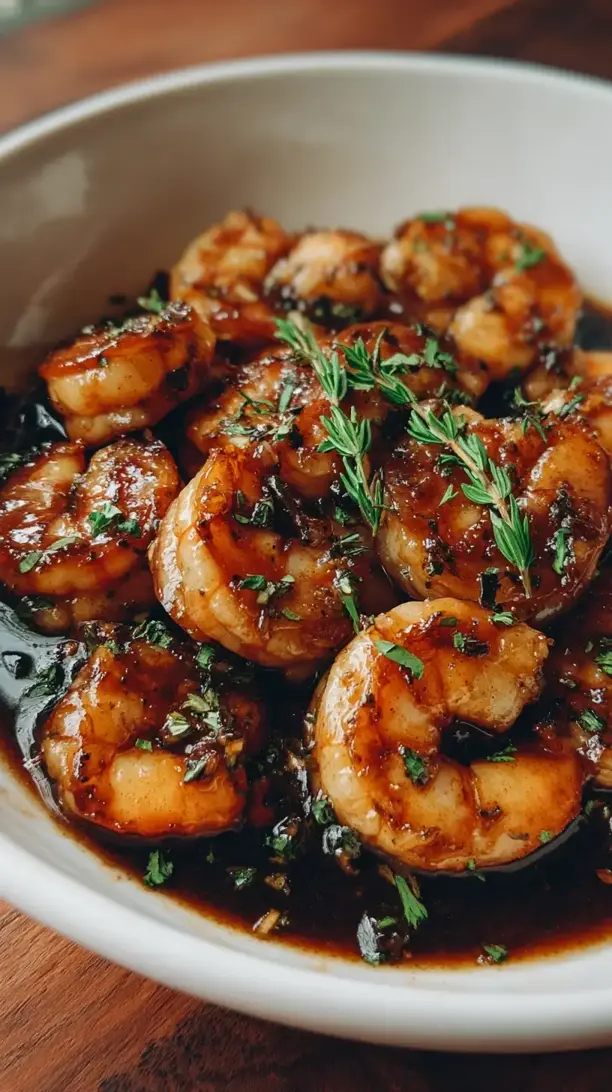
Balsamic Glazed Shrimp
Make restaurant-quality Balsamic Glazed Shrimp in just 20 minutes! A sweet, tangy glaze coats juicy shrimp for an easy, impressive meal. Get the recipe now!
Ingredients
For the Shrimp
-
450 g large raw shrimp (peeled and deveined)
-
1 tbsp olive oil
-
1/2 tsp smoked paprika
-
1/4 tsp red pepper flakes
-
2 tbsp unsalted butter
-
salt and freshly ground black pepper (to taste)
-
fresh chopped parsley or basil (for garnish)
For the Glaze
-
120 ml good-quality balsamic vinegar
-
3 tbsp honey
-
3 cloves garlic (minced)
Instructions
-
Start by making your glaze. In a small saucepan, combine the balsamic vinegar and honey. Bring it to a gentle simmer over medium heat, then reduce the heat to medium-low. Let it bubble away for about 5-7 minutes, stirring occasionally, until it has reduced by about half and coats the back of a spoon. You’ll notice the bubbles will get smaller and the aroma will become less sharp and more sweet and rich. Once it’s ready, remove it from the heat immediately—it will continue to thicken as it cools.01
-
While the glaze is reducing, prepare your shrimp. Make sure they are thoroughly patted dry with paper towels. Season them generously on both sides with salt, black pepper, and the smoked paprika. This is also the time to add the red pepper flakes if you’re using them for a bit of a kick.02
-
Heat the olive oil in your large skillet over medium-high heat. You want the pan to be properly hot before the shrimp hit the surface. To test, you can flick a tiny drop of water into the pan—if it sizzles and evaporates instantly, you’re good to go.03
-
Carefully add the shrimp to the hot skillet in a single layer, making sure they aren’t crowded. Crowding will steam them. Let them cook undisturbed for about 1-2 minutes, until you see the bottoms turning pink and getting a nice sear. The trick is to get that caramelization without overcooking the interior.04
-
Flip the shrimp and add the minced garlic to the pan. Cook for just another minute. The garlic will become fragrant very quickly—be careful not to let it burn, as burnt garlic will taste bitter. You just want to take the raw edge off.05
-
Now, pour your prepared balsamic glaze over the shrimp in the skillet. Add the butter as well. Toss everything together, swirling the pan, until the butter is melted and the shrimp are evenly coated in that gorgeous, glossy glaze. The sauce should look shiny and thick, clinging to every nook and cranny of the shrimp.06
-
Remove the skillet from the heat. Do a final taste test and adjust seasoning with a little more salt or pepper if needed. Stir in your fresh herbs right at the end for a burst of color and freshness. Serve immediately while they’re hot and the glaze is perfectly sticky.07