

Why You’ll Love This Coconut Flour Sugar Cookies
- Surprisingly Simple. You only need one bowl and about eight basic ingredients you probably already have in your pantry. There’s no need for any fancy equipment or complicated steps.
- The Perfect Texture. We’ve nailed that delicate balance between a slightly crisp edge and a soft, melt-in-your-mouth center. They hold their shape beautifully but aren’t tough or dry at all.
- Naturally Gluten-Free & Grain-Free. Coconut flour is a fantastic base for anyone avoiding gluten or grains, and these cookies are a treat you can feel good about sharing with almost anyone.
- Endlessly Customizable. This is your playground! The dough is the perfect base for rolling in sprinkles, pressing with a fun cookie stamp, or drizzling with a simple glaze once they’re cool.
Ingredients & Tools
- 1/2 cup (56g) coconut flour, sifted
- 1/4 tsp baking soda
- 1/8 tsp fine sea salt
- 1/4 cup (56g) softened coconut oil or unsalted butter
- 1/4 cup (60ml) maple syrup or honey
- 1 large egg, at room temperature
- 1 tsp vanilla extract
- 1-2 tbsp coconut sugar or granulated sugar, for rolling (optional)
Tools: One medium mixing bowl, a whisk, a spatula, a baking sheet, and parchment paper.
Getting the ingredients right is half the battle with coconut flour. Using sifted flour is non-negotiable—it prevents lumpy dough. And that room temperature egg? It really helps everything emulsify smoothly with the fat, creating a cohesive dough that’s easy to handle.
Serves: 12 cookies | Prep Time: 10 minutes | Cook Time: 10-12 minutes | Total Time: 25 minutes (plus cooling)
Before You Start: Tips & Ingredient Notes
- Why sift the coconut flour? Coconut flour is notoriously clumpy. Sifting isn’t just a suggestion here; it’s essential for a smooth, lump-free dough. If you skip this, you’ll end up with pockets of dry flour in your baked cookies.
- Coconut oil vs. butter. Both work wonderfully! Butter gives a richer, more classic sugar cookie flavor. Coconut oil keeps it dairy-free and adds a subtle tropical note. Just make sure whichever you use is softened but not melted.
- The importance of room temperature ingredients. This is especially key for the egg. A cold egg can cause the softened coconut oil or butter to seize up and become lumpy, making the dough harder to mix and potentially affecting the texture.
- Don’t skip the chill time. I know, I know—waiting is the hardest part. But chilling the dough firms it up, prevents the cookies from spreading too much, and allows the coconut flour to fully hydrate, resulting in a much better texture.
How to Make Coconut Flour Sugar Cookies
Step 1: Combine the Dry Ingredients. In your medium bowl, whisk together the sifted coconut flour, baking soda, and salt. Whisk it really well to make sure the baking soda is evenly distributed—this ensures your cookies have a little lift and a uniform texture. You’ll notice how light and airy the sifted flour is.
Step 2: Cream the Wet Ingredients. To the same bowl, add the softened coconut oil (or butter), maple syrup, room temperature egg, and vanilla extract. Now, switch to a spatula and mix everything together. At first, it might look a bit separated and greasy, but keep stirring. After about a minute of vigorous mixing, you’ll see it transform into a thick, cohesive, and slightly sticky dough.
Step 3: Chill the Dough. This is the crucial rest period. Cover the bowl with plastic wrap or a lid and pop it into the refrigerator for at least 30 minutes. You can leave it for up to an hour if you have time. The dough will firm up significantly, making it much easier to roll into balls.
Step 4: Preheat and Prep. While the dough chills, preheat your oven to 350°F (175°C). Line a baking sheet with parchment paper. If you’re using sugar for rolling, pour it into a small bowl now.
Step 5: Shape the Cookies. Once the dough is firm, scoop out about 1 tablespoon of dough per cookie. Roll it quickly between your palms to form a smooth ball. If you’re adding the sugar roll, roll each ball in the coconut sugar until lightly coated. Place the balls on the prepared baking sheet, leaving about 2 inches between them.
Step 6: Flatten and Bake. Use the palm of your hand or the bottom of a glass to gently flatten each ball into a disc, about 1/2-inch thick. If you’re using a glass, you can dip the bottom in a little extra sugar to prevent sticking. Bake for 10-12 minutes. The edges will be just starting to turn a very light golden brown, but the centers will still look soft.
Step 7: Cool Completely. This is the final test of your patience! Let the cookies cool on the baking sheet for 10 minutes before transferring them to a wire rack to cool completely. They will be very fragile when warm but will firm up perfectly as they cool.
Serving Suggestions
Complementary Dishes
- A scoop of vanilla bean ice cream — The warm, soft cookie paired with cold, creamy ice cream is a classic for a reason. The simplicity of vanilla lets the coconut flavor shine.
- A fresh cup of berry compote — The tartness of raspberries or strawberries cuts through the sweetness of the cookie beautifully, creating a more sophisticated dessert plate.
Drinks
- A glass of cold oat milk or almond milk — It’s the ultimate childhood nostalgia trip, but dairy-free. The creamy milk is the perfect partner for dunking.
- A hot cup of chai tea — The warm spices in chai—cinnamon, cardamom, ginger—complement the subtle coconut flavor in a really unexpected and delightful way.
Something Sweet
- A simple dark chocolate drizzle — Melt a few squares of dark chocolate and drizzle it over the cooled cookies. It adds a bitter contrast that makes the cookie itself taste even sweeter.
- A dollop of coconut whipped cream — Double down on the coconut theme! The light, airy texture of the whipped cream makes these feel like a special occasion treat.
Top Mistakes to Avoid
- Mistake: Not sifting the coconut flour. I’ve said it before and I’ll say it again—this is the number one reason for lumpy, uneven cookies. It takes ten seconds and makes all the difference.
- Mistake: Using melted fat. If your coconut oil or butter is liquid, the dough will be greasy and won’t hold its shape. It needs to be soft and spreadable, like the consistency of mayonnaise.
- Mistake: Skipping the chill time. I’ve messed this up before too, thinking I could get away with it. The cookies will spread too much and become flat and fragile. The wait is worth it, I promise.
- Mistake: Overbaking. Coconut flour cookies don’t get very dark. If you wait for a deep golden color, they’ll be dry and crumbly. Take them out when the edges are just barely tan.
Expert Tips
- Tip: Weigh your coconut flour. If you have a kitchen scale, use it! Coconut flour can be packed down in the bag, leading to inaccurate cup measurements. 56 grams is the sweet spot for this recipe.
- Tip: Get creative with flavors. Add the zest of one lemon or orange to the dough for a citrusy twist. A quarter teaspoon of almond extract alongside the vanilla is also divine.
- Tip: Use a cookie stamp. These cookies are perfect for stamping! Chill the dough balls, then press your stamp firmly and evenly into each one right before baking for beautiful, intricate designs.
- Tip: Make a double batch and freeze. The dough balls freeze beautifully. Place them on a parchment-lined tray until solid, then transfer to a freezer bag. Bake from frozen, adding 1-2 minutes to the baking time.
FAQs
Can I use a different liquid sweetener?
Absolutely! Maple syrup and honey are my top choices for flavor, but agave nectar will work just fine. Just note that honey can make the cookies brown a tiny bit faster, so keep an eye on them. I wouldn’t recommend using a sugar-free syrup unless you’ve tested it before, as the consistency can vary wildly and affect the dough’s hydration.
Why is my dough so sticky? Did I do something wrong?
It’s supposed to be a bit sticky before chilling! Coconut flour takes a little time to absorb all the moisture. The chilling period is when the magic happens—the flour fully hydrates and the fats firm up. After 30 minutes in the fridge, it should be much more manageable. If it’s still unworkably sticky, you can add one more tablespoon of coconut flour, but this is rarely necessary.
Can I make these cookies egg-free?
This is a tricky one. The egg provides crucial structure and moisture binding in this recipe. I haven’t had success with a direct egg substitute like a flax egg here, as the result is often too crumbly. If you need an egg-free sugar cookie, it’s better to seek out a recipe specifically designed that way from the start.
How should I store these cookies?
Once completely cool, store them in an airtight container at room temperature for up to 3 days. They tend to soften over time. For longer storage, I highly recommend freezing them! They freeze perfectly for up to 2 months. Just thaw at room temperature for an hour.
My cookies are crumbly. What happened?
This usually points to two possible issues: either the dough was under-mixed (so the flour wasn’t fully incorporated) or the cookies were overbaked. Coconut flour has no gluten, so it relies on the eggs and the hydration process for structure. Make sure you mix until no dry spots remain, and remember—a pale cookie is a soft cookie!
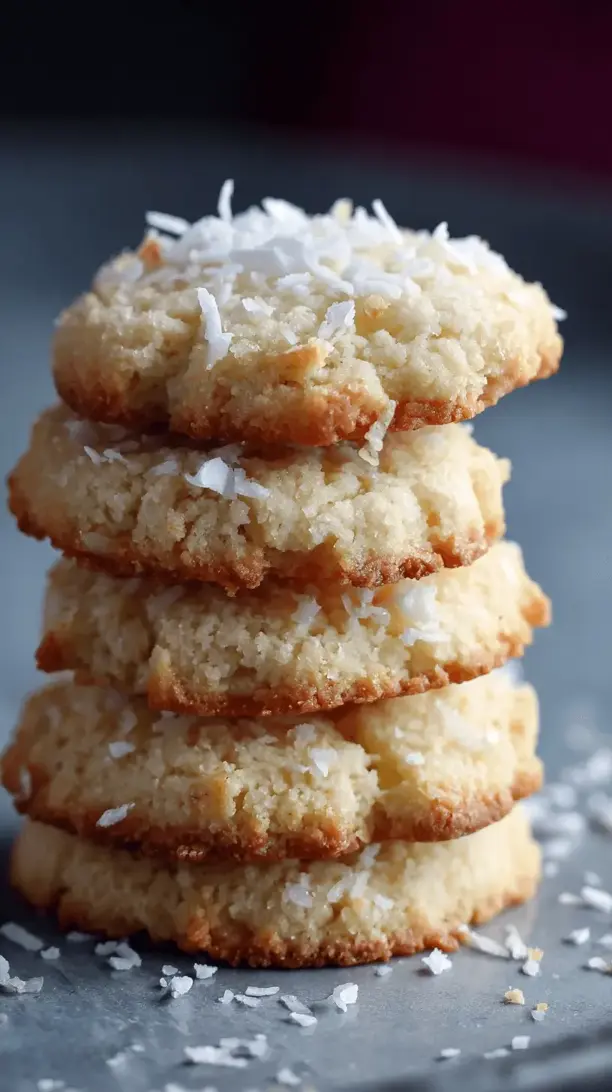
Coconut Flour Sugar Cookies
My foolproof recipe for soft, melt-in-your-mouth Coconut Flour Sugar Cookies! Gluten-free, grain-free, & incredibly simple. Get the perfect texture every time.
Ingredients
Ingredients
-
1/2 cup coconut flour (sifted (56g))
-
1/4 tsp baking soda
-
1/8 tsp fine sea salt
-
1/4 cup coconut oil or unsalted butter (softened (56g))
-
1/4 cup maple syrup or honey ((60ml))
-
1 large egg (at room temperature)
-
1 tsp vanilla extract
-
1-2 tbsp coconut sugar or granulated sugar (for rolling (optional))
Instructions
-
Combine the Dry Ingredients. In your medium bowl, whisk together the sifted coconut flour, baking soda, and salt. Whisk it really well to make sure the baking soda is evenly distributed—this ensures your cookies have a little lift and a uniform texture. You'll notice how light and airy the sifted flour is.01
-
Cream the Wet Ingredients. To the same bowl, add the softened coconut oil (or butter), maple syrup, room temperature egg, and vanilla extract. Now, switch to a spatula and mix everything together. At first, it might look a bit separated and greasy, but keep stirring. After about a minute of vigorous mixing, you'll see it transform into a thick, cohesive, and slightly sticky dough.02
-
Chill the Dough. This is the crucial rest period. Cover the bowl with plastic wrap or a lid and pop it into the refrigerator for at least 30 minutes. You can leave it for up to an hour if you have time. The dough will firm up significantly, making it much easier to roll into balls.03
-
Preheat and Prep. While the dough chills, preheat your oven to 350°F (175°C). Line a baking sheet with parchment paper. If you're using sugar for rolling, pour it into a small bowl now.04
-
Shape the Cookies. Once the dough is firm, scoop out about 1 tablespoon of dough per cookie. Roll it quickly between your palms to form a smooth ball. If you're adding the sugar roll, roll each ball in the coconut sugar until lightly coated. Place the balls on the prepared baking sheet, leaving about 2 inches between them.05
-
Flatten and Bake. Use the palm of your hand or the bottom of a glass to gently flatten each ball into a disc, about 1/2-inch thick. If you're using a glass, you can dip the bottom in a little extra sugar to prevent sticking. Bake for 10-12 minutes. The edges will be just starting to turn a very light golden brown, but the centers will still look soft.06
-
Cool Completely. This is the final test of your patience! Let the cookies cool on the baking sheet for 10 minutes before transferring them to a wire rack to cool completely. They will be very fragile when warm but will firm up perfectly as they cool.07


