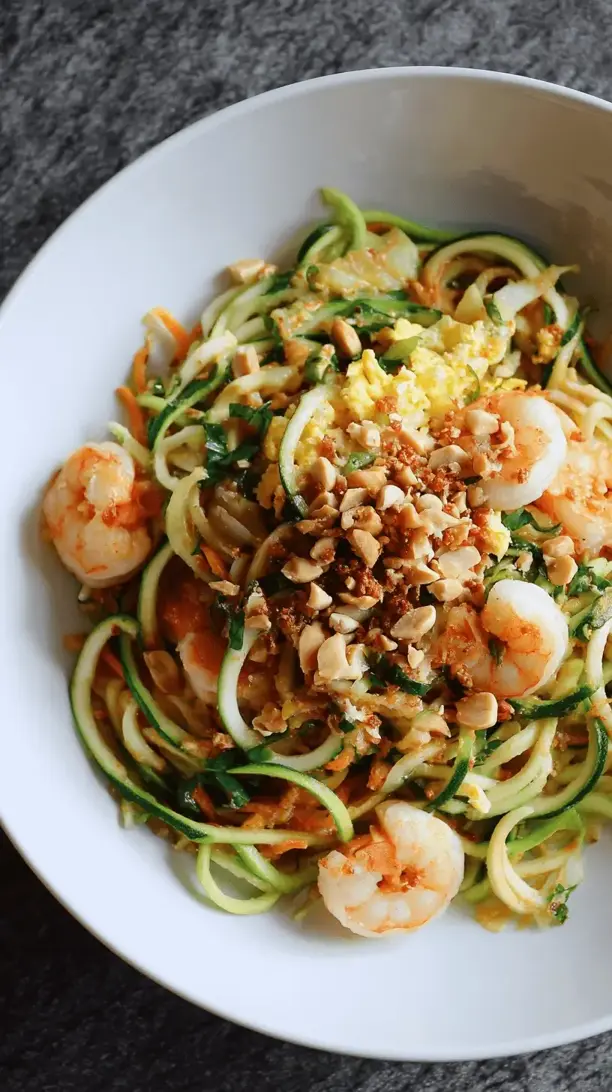

Why You’ll Love This Spaghetti Squash Cacio e Pepe
- It’s a brilliant way to eat more vegetables. You get a whole plate of “pasta” that’s actually a nutrient-rich winter squash, making it feel like a treat rather than a chore.
- The texture is uniquely satisfying. Spaghetti squash has a lovely al dente bite that holds the sauce beautifully, offering a different but equally delightful experience from wheat pasta.
- It comes together with minimal, high-quality ingredients. When a recipe has so few components, each one truly shines. The quality of your cheese and pepper makes all the difference here.
- It’s naturally gluten-free and easily adaptable. This dish is a fantastic option for those avoiding gluten, and you can easily adjust the cheesiness or pepper level to suit your exact taste.
Ingredients & Tools
- 1 medium spaghetti squash (about 2-3 lbs / 1-1.4 kg)
- 2 tbsp extra virgin olive oil, divided
- 1 tsp kosher salt, plus more for seasoning
- 1 ½ tbsp whole black peppercorns
- ¾ cup finely grated Pecorino Romano cheese, plus more for serving
- ¼ cup reserved pasta water or hot water
Tools: A large, sharp chef’s knife, a sturdy baking sheet, a kitchen towel or oven mitts, a fork, a microplane or fine grater, a pepper grinder or mortar and pestle, a large skillet.
The real magic here lies in the quality of just three things: the squash, the cheese, and the pepper. A good, heavy spaghetti squash feels dense and promises plenty of strands. Using a block of Pecorino Romano and grating it yourself is non-negotiable for that signature creamy, clump-free sauce. And freshly cracking those peppercorns just before toasting? That’s where the incredible aroma and flavor come from.
Serves: 2 as a main, 4 as a side | Prep Time: 15 minutes | Cook Time: 45 minutes | Total Time: 1 hour
Before You Start: Tips & Ingredient Notes
- Choosing your squash. Look for a squash that feels heavy for its size with a firm, pale yellow rind. Avoid any with soft spots or green tinges, which can indicate it’s underripe.
- The cheese is key. Please, I beg you, do not use pre-grated cheese. It contains anti-caking agents that prevent it from melting smoothly into a sauce. A block of authentic Pecorino Romano, grated on a microplane right before using, is the secret to a silky, emulsified sauce instead of a clumpy, greasy mess.
- Toast your pepper properly. This step is what transforms black pepper from a simple seasoning into the star of the dish. Toasting the cracked peppercorns in a little oil wakes up their aromatic oils, giving the dish a deep, warm, spicy flavor that permeates every bite.
- Embrace the water. The hot starchy water from boiling pasta is the traditional binder for Cacio e Pepe. Since we’re not boiling pasta, having a quarter cup of very hot water ready is crucial. It helps create the emulsion with the cheese and oil, making the sauce cling to the squash strands.
How to Make Spaghetti Squash Cacio e Pepe
Step 1: Roast the Squash. First, preheat your oven to 400°F (200°C). This is the perfect temperature for roasting the squash—hot enough to caramelize the edges but not so hot that it burns before cooking through. Carefully slice the spaghetti squash in half lengthwise. This is the trickiest part; a sharp knife and a steady hand are your best friends. Scoop out the seeds and stringy pulp with a spoon—you can save and roast the seeds like pumpkin seeds if you like! Drizzle the cut sides with one tablespoon of the olive oil and sprinkle generously with kosher salt. Place the halves cut-side down on a baking sheet. Roasting them face-down steams the flesh, making it incredibly tender and easy to shred. Roast for 35-45 minutes, or until the skin is easily pierced with a fork and the edges are golden brown.
Step 2: Prepare Your Mise en Place. While the squash is roasting, this is the perfect time to get everything else ready. Grate your Pecorino Romano cheese on the finest setting of your grater—a microplane is ideal here. You’ll want a light, fluffy pile of cheese. Next, crack your peppercorns. You can use a pepper grinder set to a coarse setting, or place the peppercorns in a zip-top bag and crush them with a rolling pin or the bottom of a heavy pan. You’re aiming for a mix of fine powder and larger flakes for great texture. Measure out your water and have it ready. This preparation makes the final assembly quick and stress-free.
Step 3: Toast the Pepper. Once the squash has about 10 minutes left, heat the remaining tablespoon of olive oil in a large skillet over medium heat. Add the cracked black pepper. You’ll notice a wonderful, fragrant aroma filling your kitchen after about 60-90 seconds—that’s the sign the peppercorns are toasted. Swirl the pan to make sure they don’t burn. Toasting the pepper is non-negotiable; it deepens the flavor from simply spicy to complex and nutty. Remove the skillet from the heat for now.
Step 4: Shred the Squash. Carefully remove the baking sheet from the oven—those towels or mitts are essential! Let the squash cool for just a few minutes until you can handle it. Using a fork, scrape the flesh of the squash from the skin. You’ll see it magically separate into those perfect, spaghetti-like strands. I like to do this directly into the skillet with the toasted pepper and oil to capture every last bit.
Step 5: Create the Sauce. Place the skillet with the squash and pepper back over low heat. Toss everything together to coat the strands in the peppery oil. The low heat is crucial here—you want to warm the squash through, not cook it further. Now, add the hot water and stir. This creates a steamy base for the cheese. Remove the skillet from the heat entirely. This next part is the real trick: gradually sprinkle in the grated Pecorino Romano, tossing constantly with tongs or two forks. The residual heat will melt the cheese into the water and oil, creating a creamy, emulsified sauce that clings to every strand. If the sauce seems too thick, add another splash of hot water. Season to taste with a little more salt if needed.
Step 6: Serve Immediately. Cacio e Pepe waits for no one! Divide the cheesy, peppery squash between warmed bowls. Finish with an extra crack of black pepper and a final snow-like shower of grated Pecorino Romano. The contrast between the warm, creamy squash and the fresh, sharp cheese on top is simply heavenly. Dive in right away for the best texture and flavor.
Serving Suggestions
Complementary Dishes
- A simple arugula salad with lemon vinaigrette — The peppery arugula and bright lemon cut through the richness of the cheese beautifully, balancing the plate.
- Garlicky sautéed shrimp or grilled chicken breast — For those wanting a more substantial meal, a simple protein on the side makes this a complete dinner without overpowering the main event.
- Roasted broccoli with chili flakes — Another vegetable side that echoes the hearty, rustic feel of the dish and adds a nice textural contrast.
Drinks
- A crisp Italian white wine like Verdicchio or Pinot Grigio — The high acidity and citrus notes in these wines cleanse the palate between bites of the rich, cheesy squash.
- A light-bodied, hoppy IPA — The bitterness of the hops can stand up to the bold pepper and saltiness of the Pecorino in a surprisingly delightful way.
- Sparkling water with a squeeze of lemon — The bubbles and citrus are a non-alcoholic option that provides a refreshing counterpoint to the dish’s creaminess.
Something Sweet
- Panna Cotta with a berry compote — The smooth, cool, and subtly sweet panna cotta is a perfect, light finish after the savory and peppery main course.
- Dark chocolate almond biscotti — A few pieces of these crunchy, not-too-sweet cookies are ideal for dipping into a post-dinner espresso.
- Lemon sorbet — Incredibly refreshing and palate-cleansing, it’s like a bright, sunny ending to a comforting meal.
Top Mistakes to Avoid
- Mistake: Using pre-grated cheese. This is the number one reason sauces break or become grainy. The cellulose powder coating the shreds prevents proper melting and emulsification.
- Mistake: Adding the cheese over high heat. High heat will cause the cheese to seize up into a tight, rubbery ball instead of melting into a creamy sauce. Always take the pan off the heat before adding the cheese.
- Mistake: Skipping the pepper toasting step. Raw black pepper has a one-dimensional heat. Toasting unlocks its aromatic, nutty depth, which is the soul of this dish.
- Mistake: Overcooking the squash. If you roast the squash for too long, the strands can become mushy and watery, which will dilute your beautiful sauce. You want it tender but still with some bite.
Expert Tips
- Tip: Warm your bowls. This is a small step with a big impact. Placing your serving bowls in the warm oven (turned off) for a few minutes before plating will keep your Spaghetti Squash Cacio e Pepe hot from the first bite to the last.
- Tip: Use a microplane for the cheese. The fluffy, snow-like texture of microplaned cheese incorporates into the sauce much more evenly and smoothly than cheese grated on a box grater.
- Tip: Don’t overcrowd the skillet. When tossing the squash with the sauce, use a large enough skillet so you have room to mix everything gently without breaking the delicate strands.
- Tip: Make it your own. While traditionalists may balk, feel free to add a tiny knob of butter at the end for extra richness, or a sprinkle of red pepper flakes for more heat. Cooking is about personal taste!
FAQs
Can I make this ahead of time?
You can roast the squash and shred it up to 2 days in advance. Store the strands in an airtight container in the fridge. When ready to serve, you’ll want to reheat the squash gently in the skillet before proceeding with the sauce steps. However, the final dish is truly best served immediately after the cheese is added. The texture and creaminess are at their peak right then.
My sauce became clumpy. What happened?
This usually means the pan was too hot when you added the cheese, or the cheese was added all at once instead of gradually. The heat causes the proteins in the cheese to tighten and expel fat. To fix it, you can try adding another splash of very hot water and stirring vigorously off the heat. Sometimes you can bring it back, but it’s a great lesson for next time—low and slow is the way to go!
Can I use a different cheese?
Pecorino Romano is traditional for its sharp, salty, sheep’s-milk flavor. You can use a good-quality Parmigiano-Reggiano, which is a bit nuttier and less salty. A blend of the two is also delicious. I wouldn’t recommend a softer cheese like mozzarella, as it won’t create the same sauce consistency.
How do I know when the spaghetti squash is perfectly cooked?
The skin should be easily pierced with the tip of a sharp knife or a fork, and the edges of the cut side will be slightly browned and caramelized. If you try to scrape it with a fork and the strands don’t separate easily, it needs a few more minutes. You’re looking for tender, distinct strands, not a mushy puree.
Is there a trick to cutting the squash safely?
Absolutely! If the squash is too hard to cut raw, you can microwave it whole for 2-3 minutes to slightly soften the skin. Always use a sharp, heavy knife and a stable cutting board. Place a damp kitchen towel under the board to prevent slipping. And take your time—safety first!
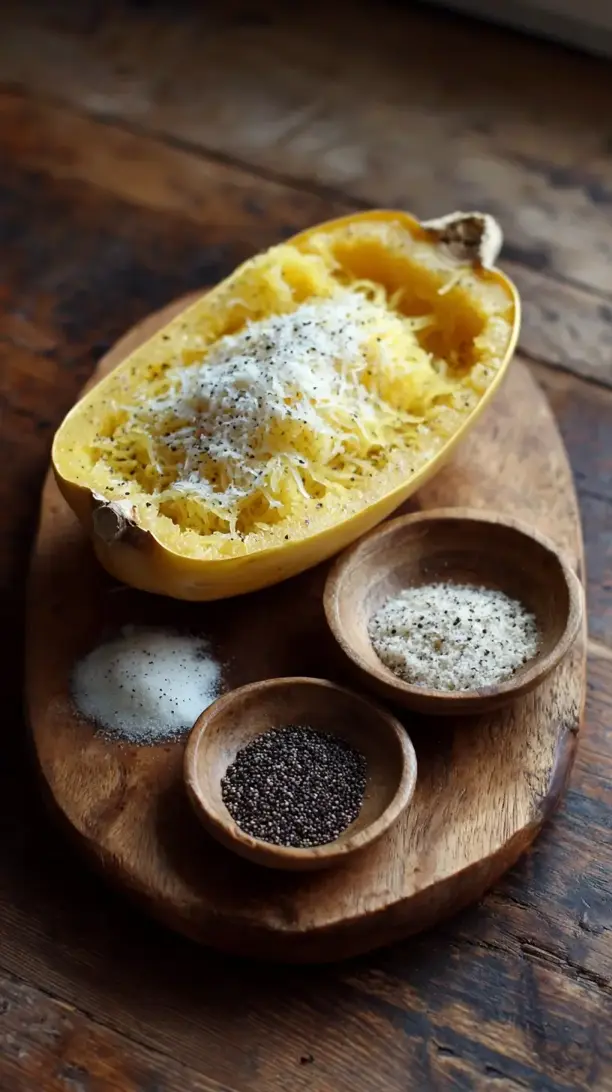
Spaghetti Squash Cacio E Pepe
Craving Cacio e Pepe but want a lighter twist? My Spaghetti Squash Cacio e Pepe recipe delivers all the creamy, peppery goodness with a veggie-forward base. It's gluten-free, easy to make, and downright delicious!
Ingredients
Ingredients
-
1 medium spaghetti squash (about 2-3 lbs / 1-1.4 kg)
-
2 tbsp extra virgin olive oil (divided)
-
1 tsp kosher salt (plus more for seasoning)
-
1 ½ tbsp whole black peppercorns
-
¾ cup Pecorino Romano cheese (finely grated, plus more for serving)
-
¼ cup reserved pasta water or hot water
Instructions
-
Roast the Squash. First, preheat your oven to 400°F (200°C). This is the perfect temperature for roasting the squash—hot enough to caramelize the edges but not so hot that it burns before cooking through. Carefully slice the spaghetti squash in half lengthwise. This is the trickiest part; a sharp knife and a steady hand are your best friends. Scoop out the seeds and stringy pulp with a spoon—you can save and roast the seeds like pumpkin seeds if you like! Drizzle the cut sides with one tablespoon of the olive oil and sprinkle generously with kosher salt. Place the halves cut-side down on a baking sheet. Roasting them face-down steams the flesh, making it incredibly tender and easy to shred. Roast for 35-45 minutes, or until the skin is easily pierced with a fork and the edges are golden brown.01
-
Prepare Your Mise en Place. While the squash is roasting, this is the perfect time to get everything else ready. Grate your Pecorino Romano cheese on the finest setting of your grater—a microplane is ideal here. You’ll want a light, fluffy pile of cheese. Next, crack your peppercorns. You can use a pepper grinder set to a coarse setting, or place the peppercorns in a zip-top bag and crush them with a rolling pin or the bottom of a heavy pan. You’re aiming for a mix of fine powder and larger flakes for great texture. Measure out your water and have it ready. This preparation makes the final assembly quick and stress-free.02
-
Toast the Pepper. Once the squash has about 10 minutes left, heat the remaining tablespoon of olive oil in a large skillet over medium heat. Add the cracked black pepper. You’ll notice a wonderful, fragrant aroma filling your kitchen after about 60-90 seconds—that’s the sign the peppercorns are toasted. Swirl the pan to make sure they don’t burn. Toasting the pepper is non-negotiable; it deepens the flavor from simply spicy to complex and nutty. Remove the skillet from the heat for now.03
-
Shred the Squash. Carefully remove the baking sheet from the oven—those towels or mitts are essential! Let the squash cool for just a few minutes until you can handle it. Using a fork, scrape the flesh of the squash from the skin. You’ll see it magically separate into those perfect, spaghetti-like strands. I like to do this directly into the skillet with the toasted pepper and oil to capture every last bit.04
-
Create the Sauce. Place the skillet with the squash and pepper back over low heat. Toss everything together to coat the strands in the peppery oil. The low heat is crucial here—you want to warm the squash through, not cook it further. Now, add the hot water and stir. This creates a steamy base for the cheese. Remove the skillet from the heat entirely. This next part is the real trick: gradually sprinkle in the grated Pecorino Romano, tossing constantly with tongs or two forks. The residual heat will melt the cheese into the water and oil, creating a creamy, emulsified sauce that clings to every strand. If the sauce seems too thick, add another splash of hot water. Season to taste with a little more salt if needed.05
-
Serve Immediately. Cacio e Pepe waits for no one! Divide the cheesy, peppery squash between warmed bowls. Finish with an extra crack of black pepper and a final snow-like shower of grated Pecorino Romano. The contrast between the warm, creamy squash and the fresh, sharp cheese on top is simply heavenly. Dive in right away for the best texture and flavor.06