
Why You’ll Love This Creamy Cauliflower Alfredo Pasta
- It’s genuinely creamy without the cream. The star of the show is, of course, the cauliflower. When blended until perfectly smooth, it creates a sauce with a texture that’s incredibly rich and velvety. You get all the comfort without that overly full feeling, which is a win in my book any day of the week.
- It’s a fantastic veggie-packed meal. This is one of those clever recipes where you’re essentially eating a whole head of cauliflower without even realizing it. It’s a brilliant way to sneak more vegetables into your diet—or your family’s—in the most delicious way possible. The color is a beautiful, creamy white, so it’s a total stealth operation.
- It comes together surprisingly fast. While the pasta water is coming to a boil, you can have your cauliflower steaming. The sauce itself blends up in just a few minutes. It’s one of those satisfying dishes that feels a bit fancy but is absolutely achievable on a busy weeknight.
- It’s wonderfully versatile. Think of this sauce as a fantastic blank canvas. It loves add-ins like sautéed mushrooms, spinach, sun-dried tomatoes, or a protein like grilled chicken or shrimp. Once you master the base recipe, you can riff on it endlessly based on what you have in the fridge.
Ingredients & Tools
- 1 large head of cauliflower, cut into florets (about 6-7 cups)
- 450 g of your favorite pasta (fettuccine, linguine, or casarecce work beautifully)
- 4 cloves garlic, minced
- 2 tbsp unsalted butter or olive oil
- 120 ml vegetable broth (or chicken broth for more flavor)
- 60 g freshly grated Parmesan cheese, plus more for serving
- A pinch of freshly grated nutmeg (trust me on this!)
- Juice of ½ a lemon
- Salt and freshly ground black pepper to taste
Tools: A large pot for pasta, a steamer basket or pot with a lid for the cauliflower, a large skillet, and a high-speed blender or immersion blender.
A quick note on the ingredients: using a good, flavorful broth is key here, as it forms the liquid base of our sauce. And that fresh nutmeg? It’s not just for holiday baking—it adds a warm, subtle depth that makes the sauce taste incredibly complex and rich. Don’t skip it!
Serves: 4 | Prep Time: 15 mins | Cook Time: 20 mins | Total Time: 35 mins
Before You Start: Tips & Ingredient Notes
- Don’t rush the blending. This is the most crucial step for achieving that dreamy, silky texture. You really need to let the blender run for a good minute or two. If the sauce seems too thick, add more broth, a tablespoon at a time, until it pours smoothly off a spoon.
- Freshly grated Parmesan is non-negotiable. The pre-shredded stuff in a bag often contains anti-caking agents that can make your sauce grainy and prevent it from melting smoothly. Taking a minute to grate your own makes a world of difference in the final texture.
- How to tell when your cauliflower is perfectly tender? You should be able to easily pierce a floret with the tip of a knife with no resistance. Overcooking can make it waterlogged, so keep an eye on it. We want it soft, but not mushy and falling apart.
- Reserve that pasta water! Before you drain your pasta, scoop out at least a cup of the starchy, salty water. This liquid gold is the secret weapon for thinning your sauce to the perfect consistency and helping it cling to every strand of pasta.
How to Make Creamy Cauliflower Alfredo Pasta
Step 1: Cook the Cauliflower. Bring a few inches of water to a boil in a pot fitted with a steamer basket. Add the cauliflower florets, cover, and steam for about 10-12 minutes, or until they are very tender when pierced with a fork. You want them soft enough to blend without any crunch. While the cauliflower is steaming, you can start your pasta water boiling in a separate large pot.
Step 2: Sauté the Aromatics. While the cauliflower and pasta water are doing their thing, melt the butter (or heat the olive oil) in a large skillet over medium heat. Add the minced garlic and sauté for just about 60 seconds—until it becomes fragrant. You’ll notice the aroma filling your kitchen. Be careful not to let the garlic brown, as it can become bitter.
Step 3: Cook the Pasta. Salt your boiling pasta water generously—it should taste like the sea. Add your pasta and cook according to the package directions for al dente. This is the perfect time to remind you: before draining, use a mug or ladle to reserve about a cup of the starchy pasta water. Then, drain the pasta and set it aside.
Step 4: Blend the Sauce. Carefully transfer the steamed cauliflower florets to your blender. Add the sautéed garlic and butter from the skillet, the vegetable broth, the grated Parmesan, nutmeg, and lemon juice. Season with a good pinch of salt and pepper. Blend on high speed for a full 1-2 minutes, until the sauce is completely smooth and creamy. You might need to stop and scrape down the sides once. If it’s too thick, add a splash more broth.
Step 5: Bring It All Together. Pour the beautiful, creamy cauliflower sauce back into the large skillet and warm it over low heat. Add the drained pasta and toss everything together, using tongs to coat every strand beautifully. Now, here’s the trick: add a splash of the reserved pasta water, a little at a time, tossing continuously. You’ll see the sauce loosen up and become glossy, clinging to the pasta in the most perfect way.
Step 6: Final Seasoning and Serve. Taste the pasta! This is your moment. Does it need more salt? Another grind of black pepper? A little more lemon juice for brightness? Adjust the seasoning to your liking. Serve immediately, topped with an extra sprinkle of Parmesan cheese and perhaps a little fresh parsley if you’re feeling fancy.
Serving Suggestions
Complementary Dishes
- A simple arugula salad with a lemon vinaigrette — The peppery bite of arugula and the sharp acidity of the dressing cut through the richness of the pasta beautifully, creating a balanced plate.
- Garlicky sautéed shrimp or grilled chicken breast — For a more substantial meal, adding a simple protein on top or tossed right in makes this a complete and satisfying dinner.
- Roasted asparagus or broccoli — Tossing in some extra roasted veggies adds more texture and makes the meal even more hearty and nutritious.
Drinks
- A crisp, unoaked Chardonnay or Pinot Grigio — The bright acidity and citrus notes in these wines will complement the creamy, cheesy sauce without overpowering it.
- A chilled glass of sparkling water with lemon — The bubbles and citrus are incredibly refreshing and help cleanse the palate between bites of this comforting dish.
- A light Italian lager — The crisp, clean finish of a good lager is a fantastic pairing for creamy pasta, cutting through the richness perfectly.
Something Sweet
- Lemon sorbet — A scoop of tangy, refreshing sorbet is the perfect palate-cleansing end to this meal. It feels light and bright.
- Almond biscotti for dipping — The nutty, crunchy texture of biscotti alongside a cup of espresso provides a lovely, simple finish without being too heavy.
- Fresh berries with a dollop of whipped cream — Sometimes, the simplest desserts are the best. The sweet and tart berries are a lovely contrast after the savory pasta.
Top Mistakes to Avoid
- Mistake: Undercooking the cauliflower. If the florets still have any bite or crunch to them, your sauce will be grainy instead of silky smooth. You really need that complete tenderness for a successful blend.
- Mistake: Skipping the pasta water. I’ve messed this up before, and the difference is stark. The starchy water is essential for creating an emulsified sauce that coats the pasta evenly. Using plain water will just make it watery and bland.
- Mistake: Blending for too short a time. A quick pulse won’t cut it. You need to let the blender run on high for a solid minute or two to break down every last fiber of the cauliflower. Patience here is your best friend.
- Mistake: Adding the cheese to a boiling sauce. If you try to reheat the sauce aggressively after adding the Parmesan, it can sometimes cause the cheese to seize up and become stringy. Gentle heat is key once the cheese is in.
Expert Tips
- Tip: For an ultra-luxurious texture, strain the sauce. If you want your sauce to be restaurant-level smooth, pour it through a fine-mesh sieve after blending. It will catch any tiny, unblended bits for an impossibly velvety result.
- Tip: Make it ahead for easy meals. The cauliflower sauce can be made up to 3 days in advance and stored in an airtight container in the fridge. Gently reheat it in a saucepan, adding a splash of broth or milk to loosen it up, before tossing with freshly cooked pasta.
- Tip: Add a nutritional boost. For an extra health kick, blend in a handful of raw cashews with the cauliflower. They’ll disappear into the sauce, adding creaminess, protein, and healthy fats without altering the flavor.
- Tip: Brown the butter for a nutty depth. Instead of just melting the butter, let it cook until it turns a golden brown and smells nutty before adding the garlic. This simple step adds a whole new layer of complex, toasty flavor to the sauce.
FAQs
Can I make this recipe vegan?
Absolutely! It’s very easy to adapt. Simply substitute the butter with olive oil or a vegan butter alternative. For the Parmesan, use a high-quality vegan Parmesan-style cheese or a tablespoon of nutritional yeast, which will give you that cheesy, umami flavor. Just be sure to taste and adjust the seasoning, as vegan cheeses can vary in saltiness.
Can I freeze the cauliflower Alfredo sauce?
You can, but with a small caveat. The sauce may separate slightly upon thawing due to the dairy (butter and cheese). To freeze, cool the sauce completely, then transfer it to a freezer-safe container. It will keep for up to 2 months. Thaw overnight in the fridge and reheat gently in a saucepan, whisking vigorously to re-emulsify. Adding a fresh splash of broth or plant-based milk during reheating will help bring it back together.
My sauce turned out too thin. How can I thicken it?
Don’t worry, this is an easy fix! Return the thin sauce to the saucepan and simmer it over low heat for a few extra minutes to allow some of the liquid to evaporate. Alternatively, you can blend in a tablespoon of raw cashews or a teaspoon of cornstarch slurry (cornstarch mixed with a little cold water) to help thicken it up without diluting the flavor.
What’s the best type of blender to use?
A high-speed blender like a Vitamix or Blendtec will give you the silkiest, most restaurant-quality results because of its powerful motor. However, a good quality immersion blender (stick blender) can absolutely get the job done—just be sure to blend for a bit longer and really move it around to ensure no lumps remain. A standard countertop blender will work too; you might just need to blend in batches.
Why did my sauce taste bland?
This almost always comes down to seasoning. Cauliflower is very mild, so it needs a generous amount of salt and pepper to make its flavors pop. The Parmesan adds saltiness, but you’ll almost certainly need to add more salt at the end. Also, don’t underestimate the power of the lemon juice and nutmeg—they are crucial for adding brightness and depth. Always taste and adjust at the very end!
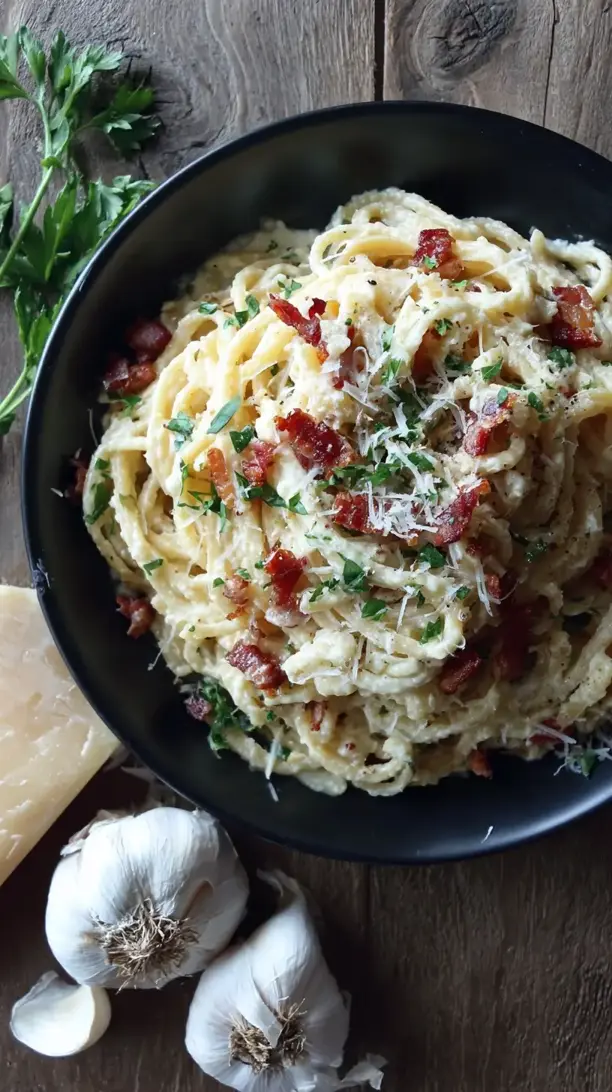
Creamy Cauliflower Alfredo Pasta
Creamy Cauliflower Alfredo Pasta recipe! A healthy, veggie-packed twist on the classic that's luxuriously smooth & ready in 35 mins. No cream, all comfort from your kitchen.
Ingredients
Ingredients
-
1 large head cauliflower (cut into florets (about 6-7 cups))
-
450 g pasta (your favorite pasta (fettuccine, linguine, or casarecce work beautifully))
-
4 cloves garlic (minced)
-
2 tbsp unsalted butter or olive oil
-
120 ml vegetable broth (or chicken broth for more flavor)
-
60 g Parmesan cheese (freshly grated, plus more for serving)
-
A pinch nutmeg (freshly grated)
-
½ lemon lemon juice
-
salt and freshly ground black pepper (to taste)
Instructions
-
Cook the Cauliflower. Bring a few inches of water to a boil in a pot fitted with a steamer basket. Add the cauliflower florets, cover, and steam for about 10-12 minutes, or until they are very tender when pierced with a fork. You want them soft enough to blend without any crunch. While the cauliflower is steaming, you can start your pasta water boiling in a separate large pot.01
-
Sauté the Aromatics. While the cauliflower and pasta water are doing their thing, melt the butter (or heat the olive oil) in a large skillet over medium heat. Add the minced garlic and sauté for just about 60 seconds—until it becomes fragrant. You'll notice the aroma filling your kitchen. Be careful not to let the garlic brown, as it can become bitter.02
-
Cook the Pasta. Salt your boiling pasta water generously—it should taste like the sea. Add your pasta and cook according to the package directions for al dente. This is the perfect time to remind you: before draining, use a mug or ladle to reserve about a cup of the starchy pasta water. Then, drain the pasta and set it aside.03
-
Blend the Sauce. Carefully transfer the steamed cauliflower florets to your blender. Add the sautéed garlic and butter from the skillet, the vegetable broth, the grated Parmesan, nutmeg, and lemon juice. Season with a good pinch of salt and pepper. Blend on high speed for a full 1-2 minutes, until the sauce is completely smooth and creamy. You might need to stop and scrape down the sides once. If it's too thick, add a splash more broth.04
-
Bring It All Together. Pour the beautiful, creamy cauliflower sauce back into the large skillet and warm it over low heat. Add the drained pasta and toss everything together, using tongs to coat every strand beautifully. Now, here's the trick: add a splash of the reserved pasta water, a little at a time, tossing continuously. You'll see the sauce loosen up and become glossy, clinging to the pasta in the most perfect way.05
-
Final Seasoning and Serve. Taste the pasta! This is your moment. Does it need more salt? Another grind of black pepper? A little more lemon juice for brightness? Adjust the seasoning to your liking. Serve immediately, topped with an extra sprinkle of Parmesan cheese and perhaps a little fresh parsley if you're feeling fancy.06