
Why You’ll Love This Cauliflower Alfredo Mac and Cheese
- It’s unbelievably creamy without being heavy. The magic of the cauliflower Alfredo sauce is its texture. When blended, it becomes impossibly smooth and rich, mimicking the mouthfeel of a traditional cream-based sauce but feeling much lighter on your stomach. You get that luxurious, coat-the-back-of-a-spoon quality without the post-meal slump.
- It’s a genius way to eat more veggies. Honestly, even the most ardent cauliflower skeptics will be converted. The flavor is so mild and melds perfectly with the cheese and garlic, making it a seamless and delicious vehicle for getting an extra serving of vegetables into your day—or your kids’ plates. It’s a win-win.
- The flavor is deep and complex. We’re not just boiling cauliflower here. By roasting it first, we unlock a wonderful nutty, slightly sweet flavor that forms a fantastic foundation for the sauce. Combined with garlic, a good hit of Parmesan, and a sharp cheddar, the taste is anything but simple.
- It’s surprisingly versatile. This is a fantastic base recipe that you can easily customize. Want to add protein? Throw in some shredded chicken or crispy bacon. Feeling extra veggie-forward? Stir in some steamed broccoli or peas right at the end. It’s your canvas.
Ingredients & Tools
- 1 large head of cauliflower, cut into florets (about 6-7 cups)
- 3 tbsp olive oil, divided
- 4 cloves garlic, minced
- 1 cup whole milk or unsweetened almond milk
- 1/2 cup vegetable or chicken broth
- 1 cup freshly grated Parmesan cheese
- 1 1/2 cups shredded sharp cheddar cheese
- 1/2 tsp onion powder
- 1/4 tsp freshly grated nutmeg
- Salt and black pepper to taste
- 450 g elbow macaroni or cavatappi pasta
- Optional garnish: Fresh parsley, chopped, and extra black pepper
Tools: A large baking sheet, a high-speed blender or food processor, a large pot for pasta, a large skillet or Dutch oven.
A quick note on the cheeses—using a block of cheese and grating it yourself makes a world of difference. Pre-shredded cheese contains anti-caking agents that can sometimes make your sauce a little grainy and less smooth. Taking that extra minute is totally worth it for the silkiest result.
Serves: 6 | Prep Time: 15 minutes | Cook Time: 30 minutes | Total Time: 45 minutes
Before You Start: Tips & Ingredient Notes
- Don’t skip the roasting step. Boiling the cauliflower will work in a pinch, but roasting is the secret weapon here. It caramelizes the natural sugars in the cauliflower, driving off excess moisture and concentrating the flavor, which gives our sauce a much deeper, nuttier taste compared to a boiled version.
- Get your pasta water SALTY. This is your one chance to season the pasta from the inside out. The water should taste like the sea. This ensures your mac and cheese is perfectly seasoned from the very first bite, not just relying on the sauce.
- Reserve that pasta water! Before you drain your pasta, scoop out about a cup of the starchy, salty cooking liquid. This liquid gold is the key to adjusting the consistency of your sauce at the end. It helps the sauce cling to the noodles beautifully.
- Grate your own cheese, seriously. I know I mentioned it above, but it bears repeating. Freshly grated cheese melts more evenly and smoothly, creating a cohesive sauce instead of a potentially clumpy one. It’s the single best thing you can do for texture.
How to Make Cauliflower Alfredo Mac and Cheese
Step 1: Roast the Cauliflower and Garlic. Preheat your oven to 220°C (425°F). Toss the cauliflower florets with 2 tablespoons of the olive oil, a good pinch of salt, and a few cracks of black pepper on a large baking sheet. Spread them out in a single layer—crowding the pan will steam them instead of roasting them. Roast for 20-25 minutes, tossing halfway through, until the edges are deeply golden brown and the florets are tender. In the last 5 minutes of roasting, add the minced garlic to the pan (drizzled with the remaining 1 tbsp of oil) to let it toast slightly and become fragrant. This tames the raw bite of the garlic.
Step 2: Cook the Pasta. While the cauliflower roasts, bring a large pot of generously salted water to a boil. Add your pasta and cook according to package directions for al dente—it will continue to cook a bit in the sauce later. Just before draining, remember to reserve about 1 cup of the starchy pasta water! Drain the pasta and set it aside.
Step 3: Create the Cauliflower Alfredo Sauce. This is where the magic happens. Carefully transfer the roasted cauliflower and garlic (with any oil from the pan) into your blender. Add the milk, broth, onion powder, and nutmeg. Blend on high for a solid minute or two, until the sauce is completely smooth, hot from the residual heat of the cauliflower, and silky. You shouldn’t see any bits of cauliflower at all. If your blender is struggling, you can add a touch more milk to help it along.
Step 4: Combine and Cheese! Return the empty pasta pot to the stove over medium-low heat (or use a large skillet). Pour the smooth cauliflower sauce into the pot. Let it heat through for a minute, then start adding your cheeses a handful at a time, stirring constantly with a wooden spoon or spatula. Wait for each addition to melt before adding the next. This gradual process helps create an emulsified, non-greasy sauce. You’ll notice the sauce thickening beautifully as the cheese melts in.
Step 5: Bring It All Together. Add the cooked, drained pasta to the cheesy sauce and stir vigorously to coat every single noodle. Now, assess the consistency. If the sauce seems a bit too thick or tight, start adding the reserved pasta water, a couple of tablespoons at a time, until it reaches a creamy, flowing consistency that coats the pasta perfectly. The sauce will continue to thicken as it sits, so don’t be shy here.
Step 6: Final Seasoning and Serve. Taste your masterpiece! This is the moment to adjust the seasoning. Does it need more salt? Another crack of pepper? A pinch more nutmeg? Adjust to your liking. Serve immediately, garnished with a sprinkle of fresh parsley and an extra twist of black pepper for a vibrant finish.
Serving Suggestions
Complementary Dishes
- A simple arugula salad with lemon vinaigrette — The peppery, bitter notes of arugula and the sharp acidity of the lemon cut through the richness of the mac and cheese beautifully, balancing the meal.
- Garlic sautéed green beans or broccoli — Double down on the veggies! Serving another green vegetable on the side makes the meal feel complete and adds a different texture to the plate.
- Herb-roasted chicken breasts or thighs — For a more substantial meal, a simply seasoned, juicy roasted chicken pairs wonderfully and makes it feel like a proper Sunday dinner.
Drinks
- A crisp, cold lager or pilsner — The carbonation and slight bitterness of a good beer are fantastic for cleansing the palate between bites of this rich, cheesy dish.
- A glass of unoaked Chardonnay — You want a white wine with enough body to stand up to the cheese, but without heavy oak that would clash. A Chardonnay with bright acidity works perfectly.
- Sparkling water with a squeeze of lime — A non-alcoholic option that provides the same palate-cleansing fizz and zing, making each bite taste as good as the first.
Something Sweet
- Classic chocolate chip cookies, still slightly warm — You can’t go wrong with this timeless combo. The gooey chocolate and buttery cookie are the ideal sweet ending after a savory, cheesy main.
- A simple berry crisp — The tartness of berries like raspberries or blackberries provides a lovely contrast, and the oat topping adds a comforting, homely finish.
- Lemon sorbet — This is the ultimate palate cleanser. It’s light, refreshing, and intensely citrusy, wiping the slate completely clean after your indulgent meal.
Top Mistakes to Avoid
- Mistake: Overcooking the cauliflower until it’s mushy and waterlogged. While we want it tender for blending, if it’s boiled or steamed into submission, it will absorb too much water. This leads to a thin, bland sauce. Roasting is key for flavor and moisture control.
- Mistake: Adding all the cheese at once to the sauce. This is a surefire way to shock the cheese and cause it to seize up, becoming stringy and clumpy instead of smooth. Low heat and gradual addition are non-negotiable for a velvety sauce.
- Mistake: Forgetting to reserve the pasta water. That starchy water is your emergency button for sauce consistency. Without it, if your sauce gets too thick, you’ll have to thin it with plain water or more milk, which can dilute the flavor.
- Mistake: Blending the sauce insufficiently. If you don’t blend for long enough, you’ll end up with a slightly grainy sauce instead of a perfectly silky one. Be patient and let the blender run for a full minute or two on high.
Expert Tips
- Tip: Add a splash of white wine to the sauce. After blending the cauliflower, you can pour the sauce into your pot and let it simmer for a minute with a splash (about 1/4 cup) of dry white wine. Let the alcohol cook off before adding the cheese. It adds a wonderful layer of acidity and complexity.
- Tip: For an extra flavor boost, toast your breadcrumbs. If you want a crunchy topping, toss panko breadcrumbs with a little melted butter, some grated Parmesan, and a pinch of paprika. Toast them in a skillet until golden and sprinkle over the mac and cheese just before serving.
- Tip: Make it a bake! Feel free to transfer the finished mac and cheese to a baking dish, top with more cheese and/or the toasted breadcrumbs, and pop it under the broiler for a few minutes until bubbly and golden on top for a more traditional casserole-style dish.
- Tip: Use an immersion blender for easier cleanup. If you have a good immersion blender, you can blend the roasted cauliflower directly in the pot with the milk and broth. It might not get *quite* as silky smooth as a high-power blender, but it’s a great time and dish saver.
FAQs
Can I make this recipe ahead of time?
Absolutely! You can prepare the entire dish, let it cool completely, and store it in an airtight container in the fridge for up to 3 days. When reheating, it will be thick, so add a splash of milk or broth and warm it gently on the stovetop over low heat, stirring frequently. You can also reheat individual portions in the microwave, stirring every 30 seconds to ensure even heating.
Can I freeze Cauliflower Alfredo Mac and Cheese?
You can, but with a caveat. Cream-based sauces (and cauliflower has a high water content) can sometimes separate or become a bit grainy upon thawing. The texture might not be exactly the same. If you do freeze it, cool it completely, store it in a freezer-safe container for up to 2 months, and thaw overnight in the fridge before reheating gently on the stove with extra liquid.
My sauce turned out a bit grainy. What happened?
This usually happens for one of two reasons. First, the cheese was added too quickly or over too high heat, causing it to seize. Second, pre-shredded cheese was used, which contains starches that don’t always melt smoothly. Next time, grate your own cheese and add it slowly off the heat or over very low heat. If it happens, blending the entire finished dish with an immersion blender can sometimes help rescue it!
What other cheeses can I use?
This is a fun recipe to play with! Gruyère would add a lovely nutty flavor. A little Gouda (especially smoked Gouda) would be delicious. For a sharper kick, try a combination of sharp cheddar and a bit of Pecorino Romano. Just make sure you’re using cheeses that melt well—hard, aged cheeses like a classic Parmesan are great for flavor, but you need softer melting cheeses like cheddar or Gruyère for the base.
Is there a way to make this recipe vegan?
Yes, you can definitely create a vegan version! Use unsweetened plant-based milk (like almond or oat) and vegetable broth. For the cheese, there are some fantastic meltable vegan cheese brands on the market now. Alternatively, you can create a “cheesy” flavor using nutritional yeast—start with 1/4 cup and add more to taste—along with a pinch of turmeric for color and a squeeze of lemon juice for tang.
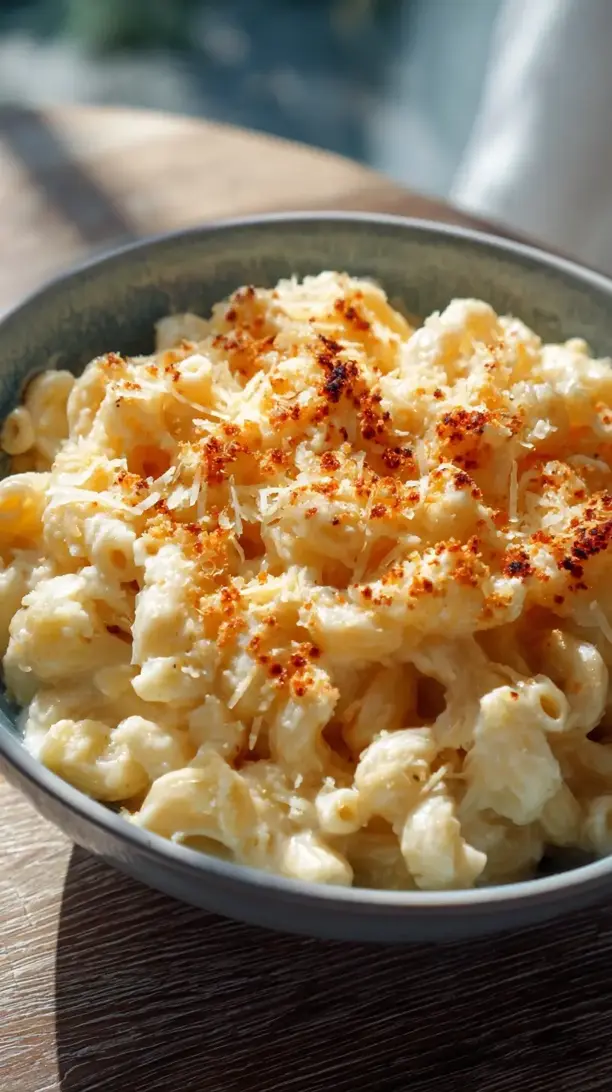
Cauliflower Alfredo Mac And Cheese
Creamy, dreamy Cauliflower Alfredo Mac and Cheese! This healthier twist tastes indulgent & is packed with hidden veggies. Easy recipe for a comforting family favorite.
Ingredients
Ingredients
-
1 large head cauliflower (cut into florets (about 6-7 cups))
-
3 tbsp olive oil (divided)
-
4 cloves garlic (minced)
-
1 cup whole milk or unsweetened almond milk
-
1/2 cup vegetable or chicken broth
-
1 cup Parmesan cheese (freshly grated)
-
1 1/2 cups sharp cheddar cheese (shredded)
-
1/2 tsp onion powder
-
1/4 tsp nutmeg (freshly grated)
-
Salt and black pepper (to taste)
-
450 g elbow macaroni or cavatappi pasta
-
Fresh parsley (chopped, for optional garnish)
Instructions
-
Roast the Cauliflower and Garlic. Preheat your oven to 220°C (425°F). Toss the cauliflower florets with 2 tablespoons of the olive oil, a good pinch of salt, and a few cracks of black pepper on a large baking sheet. Spread them out in a single layer—crowding the pan will steam them instead of roasting them. Roast for 20-25 minutes, tossing halfway through, until the edges are deeply golden brown and the florets are tender. In the last 5 minutes of roasting, add the minced garlic to the pan (drizzled with the remaining 1 tbsp of oil) to let it toast slightly and become fragrant. This tames the raw bite of the garlic.01
-
Cook the Pasta. While the cauliflower roasts, bring a large pot of generously salted water to a boil. Add your pasta and cook according to package directions for al dente—it will continue to cook a bit in the sauce later. Just before draining, remember to reserve about 1 cup of the starchy pasta water! Drain the pasta and set it aside.02
-
Create the Cauliflower Alfredo Sauce. This is where the magic happens. Carefully transfer the roasted cauliflower and garlic (with any oil from the pan) into your blender. Add the milk, broth, onion powder, and nutmeg. Blend on high for a solid minute or two, until the sauce is completely smooth, hot from the residual heat of the cauliflower, and silky. You shouldn't see any bits of cauliflower at all. If your blender is struggling, you can add a touch more milk to help it along.03
-
Combine and Cheese! Return the empty pasta pot to the stove over medium-low heat (or use a large skillet). Pour the smooth cauliflower sauce into the pot. Let it heat through for a minute, then start adding your cheeses a handful at a time, stirring constantly with a wooden spoon or spatula. Wait for each addition to melt before adding the next. This gradual process helps create an emulsified, non-greasy sauce. You'll notice the sauce thickening beautifully as the cheese melts in.04
-
Bring It All Together. Add the cooked, drained pasta to the cheesy sauce and stir vigorously to coat every single noodle. Now, assess the consistency. If the sauce seems a bit too thick or tight, start adding the reserved pasta water, a couple of tablespoons at a time, until it reaches a creamy, flowing consistency that coats the pasta perfectly. The sauce will continue to thicken as it sits, so don't be shy here.05
-
Final Seasoning and Serve. Taste your masterpiece! This is the moment to adjust the seasoning. Does it need more salt? Another crack of pepper? A pinch more nutmeg? Adjust to your liking. Serve immediately, garnished with a sprinkle of fresh parsley and an extra twist of black pepper for a vibrant finish.06